Acid-Fast Bacillus (AFB) Tests
Sourced reference. This entry is compiled from MedlinePlus and is reproduced for reference rather than written by eMed7. Reference ranges differ between laboratories — always read a result against the range printed on your own report.
Acid-fast bacillus (AFB) is a type of bacteria that causes tuberculosis and other types of mycobacterial infections, such as leprosy (Hansen's disease). AFB tests are mainly ordered for people with: A positive result on a TB screening test. An AFB can then confirm this result.; Abnormal chest x-rays.; Symptoms of active tuberculosis, commonly known as TB; An AFB test can also sometimes detect other similar infections.
TB is a serious bacterial infection caused by Mycobacterium tuberculosis. It mainly affects the lungs but can also affect other parts of the body, including the brain, spine, and kidneys. TB can be latent or active.
If you have latent TB, you'll have TB bacteria in your body but won't feel sick and can't spread the disease to others through coughing or sneezing. If you have active TB, you'll have symptoms of the disease and could spread the infection to others. AFB tests look for AFB bacteria in your sputum.
Sputum is a thick mucus that is coughed up from the lungs. It is different from spit or saliva. There are four tests used to identify AFB: AFB smear.
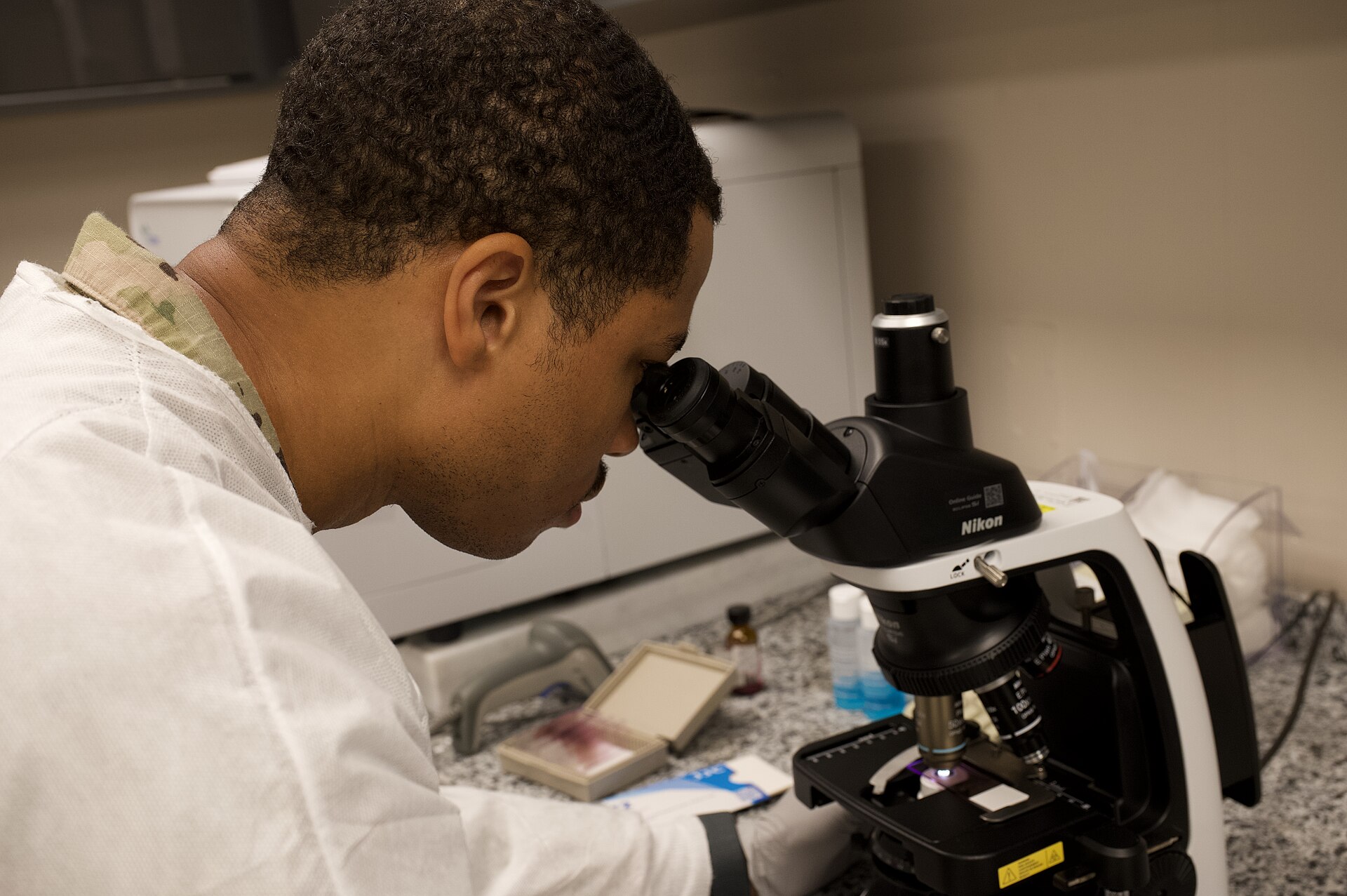
In this test, your sputum sample is 'smeared' on a glass slide and looked at under a microscope. It can provide results in 1-2 days. These results can show a possible or likely infection but cannot be used to provide a diagnosis.; AFB culture.
In this test, your sample is sent to a lab to allow the cells to grow until there are enough to test. An AFB culture can positively confirm a diagnosis of TB or other mycobacterial infection. But it takes 6-8 weeks to grow enough bacteria to detect an infection.; Molecular test.
In this test, your sample is tested using nucleic acid amplification (NAAT) with AFB smear and culture. The NAAT test is done directly on sputum samples and can detect TB bacteria. If there is TB bacteria, the test can also check whether the bacteria are resistant to rifampicin, a common treatment for TB.
This test can be done in less than two hours.; Susceptibility test. This test is usually ordered along with an AFB culture. It is used to figure out the most effective antibiotic to treat your infection.
Mycobacterium tuberculosis may be resistant to one or more of the medicines that are used to treat TB.;
Why this test is done
You may need an AFB test if you have symptoms of active TB (TB disease). Which symptoms you have will depend on where in the body the TB bacteria are growing.
If TB disease is in the lungs (pulmonary), symptoms may include:
- Cough that lasts for three weeks or more
- Coughing up blood and/or sputum
- Chest pain
Other symptoms of TB disease may include:
- Chills and fever
- Fatigue
- Night sweats (heavy sweating during sleep)
- Losing weight without trying
- Back pain and paralysis (for spinal TB)
- Blood in your urine
- Headache and coma (for TB meningitis)
- Joint pain
- Abdominal (belly) pain
Generally, certain people are more likely to develop TB disease. They include:
- People who have recently been infected with TB bacteria
- People with medical conditions that weaken the immune system
Babies and young children often have weakened immune systems. Others can have weakened immune systems, too, especially people with any of these conditions:
- HIV
- Substance use
- Silicosis, a lung disease caused by breathing in silica dust
- Diabetes
- Severe kidney disease
- Low body weight
- Organ transplants
- Head and neck cancer
People can also have weakened immune systems due to certain treatments:
- Medical treatments such as corticosteroids
- Specialized treatment for rheumatoid arthritis or Crohn's disease
You may also need testing if you are at higher risk of getting TB because you:
- Have been in close contact with someone who has been diagnosed with TB
- Have HIV or another disease that weakens your immune system
- Live or work in a place with a high rate of TB infection, such as a homeless shelter, nursing home, or prison
If you are currently being treated for TB, you might need testing to see if your treatment is working and if you could still spread the TB bacteria to others. Lastly, you may need an AFB test if you've had a positive result on a TB screening test.
How to prepare
There are no special preparations needed for AFB testing.
Sample type
Sputum Tissue/Biopsy
Other names for this test
AFB smear and culture, TB culture and sensitivity, mycobacteria smear and culture, TB NAAT, Acid-Fast Bacillus Smear and Culture and Sensitivity, Mycobacterium tuberculosis Nucleic Acid Amplification Test
Full library entry
Reference ranges, sample type, and citations for this marker.
Open in the biomarker librarySources
- ncbi.nlm.nih.gov/books/NBK513246— MedlinePlus
- ncbi.nlm.nih.gov/books/NBK537121— MedlinePlus
Track this marker over time
File the reports behind your results in eMed7 and repeat values build into a trend. Free to start.
Educational content only. This entry describes what a test measures and how published reference ranges are defined. It is not a diagnosis, does not interpret your personal results, and is not a substitute for a qualified doctor.