Blood in Urine
Sourced reference. This entry is compiled from MedlinePlus and is reproduced for reference rather than written by eMed7. Reference ranges differ between laboratories — always read a result against the range printed on your own report.
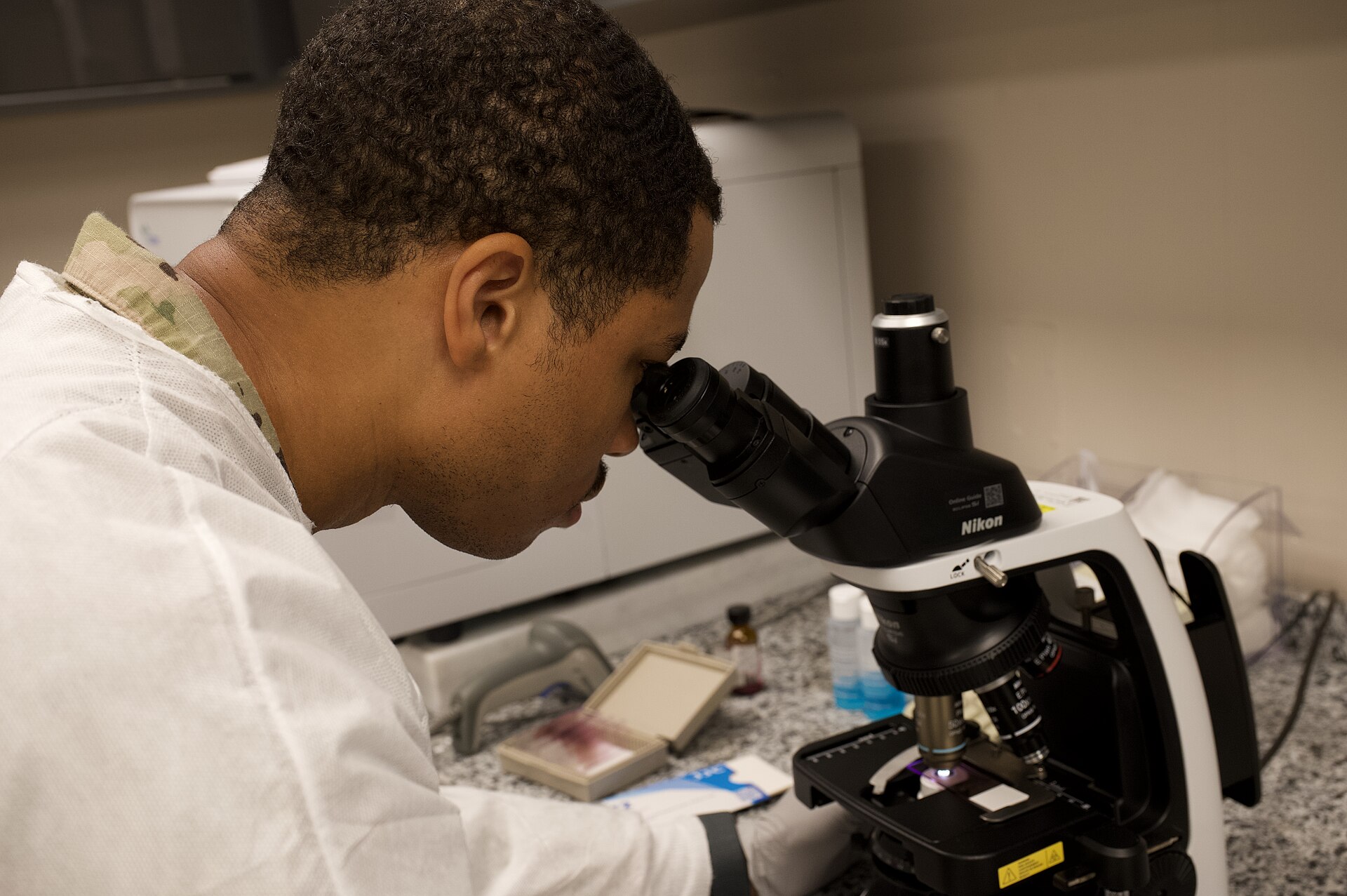
A urinalysis test checks a sample of your urine (pee). It can find a small amount of blood cells in your urine and other types of cells, chemicals, and substances. Having blood in your urine is called hematuria.
The blood may make your urine or the water in the toilet bowl turn pink, red, or reddish brown. But you might not always be able to see the blood without a lab test. There are two main types of hematuria, based on whether you can see the blood: Gross hematuria is when you can see blood in your urine without having a test. ; Microscopic hematuria is when you can't see small amounts of blood in your urine, but it can be seen under a microscope or is found using a urinalysis. ; Having blood in your urine usually isn't serious.
Some medicines and certain foods, such as beets or rhubarb, might also cause your urine to turn red. But in some cases, red or white blood cells in your urine may mean that you have a medical condition that needs treatment, such as a urinary tract infection (UTI), kidney disease, or liver disease.
Why this test is done
Your health care provider may order a urinalysis as part of a routine exam. You may also need this test if you have seen blood in your urine or have other symptoms that could be caused by a problem with your kidneys or urinary tract. These symptoms include:
- Painful urination
- Frequent urination
- Back pain
- Abdominal (belly) pain
How to prepare
You don't need any special preparations before getting a test for blood in your urine. If your provider has ordered other urine or blood tests, you may need to fast (not eat or drink) for several hours before the test. Your provider will let you know if there are any special instructions to follow.
You may need to stop taking certain medicines before this test, so tell your provider about everything you take. But don't stop taking any medicines unless your provider tells you to. They will let you know if there are any special instructions.
Sample type
Urine
Other names for this test
microscopic urine analysis, microscopic examination of urine, urine test, urine analysis, UA, urine microscopy
Full library entry
Reference ranges, sample type, and citations for this marker.
Open in the biomarker librarySources
- ncbi.nlm.nih.gov/books/NBK557685— MedlinePlus
- ncbi.nlm.nih.gov/labs/pmc/articles/PMC2702103— MedlinePlus
- niddk.nih.gov/health-information/urologic-diseases/hematuria-blood-urine— MedlinePlus
Track this marker over time
File the reports behind your results in eMed7 and repeat values build into a trend. Free to start.
Educational content only. This entry describes what a test measures and how published reference ranges are defined. It is not a diagnosis, does not interpret your personal results, and is not a substitute for a qualified doctor.