Breast Biopsy
Sourced reference. This entry is compiled from MedlinePlus and is reproduced for reference rather than written by eMed7. Reference ranges differ between laboratories — always read a result against the range printed on your own report.
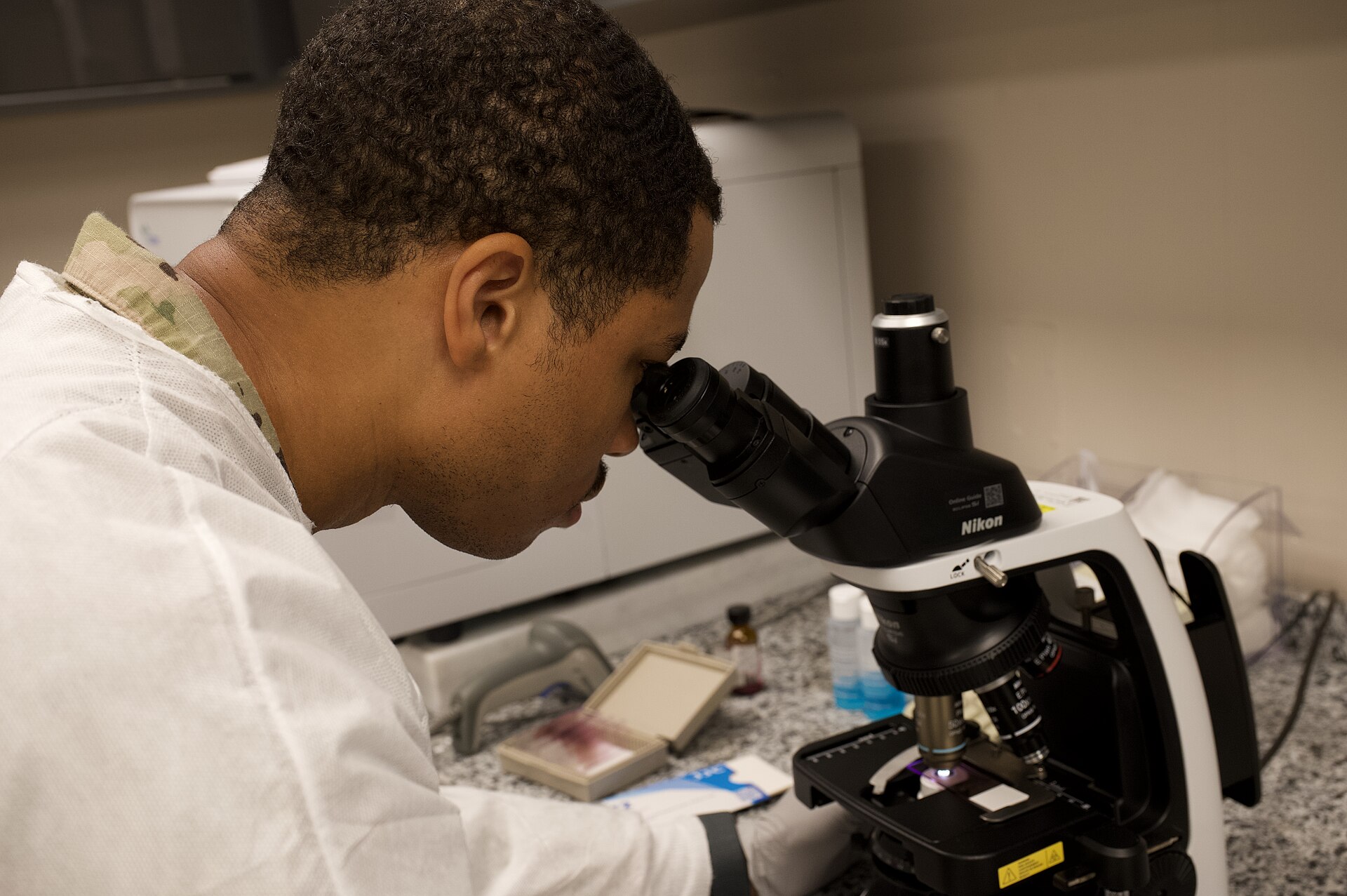
A breast biopsy is a procedure that removes a sample of breast tissue so that a pathologist (a type of doctor) can look at it under a microscope for signs of disease and cancer. There are three different ways to do a breast biopsy. A fine needle aspiration biopsy uses a very thin needle to remove a sample of breast cells or fluid.; A core needle biopsy uses a larger needle and sometimes a vacuum probe to remove a sample.
This sample is about the size of a grain of rice.; A surgical biopsy is surgery to remove a sample of tissue (an incisional biopsy). In certain cases, the entire tumor will be removed (an excisional biopsy).; Your health care provider will decide which of these biopsy types is best for you depending on the results of a recent clinical breast exam or mammogram (an x-ray picture of the breast).
Why this test is done
You may need a breast biopsy if:
- You or your provider felt a lump, thickening, or other change in your breast.
- A mammogram, ultrasound, or MRI test shows a lump, calcium deposits, or other signs that might mean cancer.
- The skin on your breast or nipple is red, scaly, or swollen, or your nipple is pulled inward.
- You have a discharge of abnormal fluid coming from your nipple.
If your provider suggests that you have a breast biopsy, it doesn't mean you have breast cancer. Most breast lumps and other changes that are checked with biopsies turn out to be benign, which means they are not cancer.
How to prepare
You may need to stop taking certain medicines, such as blood thinners like aspirin, before this test, so tell your provider about all the medicines and supplements you take. Don't stop or start taking anything unless your provider tells you to.
Before you get any procedure, you should tell your provider about any recent surgeries or known allergies. You should also tell them if you're pregnant.
If you're having general anesthesia, you will probably need to fast (not eat or drink) for several hours before surgery. If you have general anesthesia or medicine to relax, you may be groggy after the procedure, so plan to have someone take you home.
Sample type
Tissue/Biopsy
Other names for this test
core needle biopsy; core biopsy, breast; fine-needle aspiration; open surgery biopsy
Full library entry
Reference ranges, sample type, and citations for this marker.
Open in the biomarker libraryTrack this marker over time
File the reports behind your results in eMed7 and repeat values build into a trend. Free to start.
Educational content only. This entry describes what a test measures and how published reference ranges are defined. It is not a diagnosis, does not interpret your personal results, and is not a substitute for a qualified doctor.