Chickenpox and Shingles Tests
Sourced reference. This entry is compiled from MedlinePlus and is reproduced for reference rather than written by eMed7. Reference ranges differ between laboratories — always read a result against the range printed on your own report.
Chickenpox and shingles tests check to see if you are or have ever been infected with the varicella zoster virus (VZV). VZV is a type of herpes virus that causes chickenpox and shingles. This virus is also known as human herpesvirus 3 (HHV-3) and the herpes zoster virus.
The first time you are infected with this virus, you get chickenpox. Once you have had chickenpox, you can't get it again. The virus stays in some of your nerve cells but is dormant (inactive).
Later in life, the virus can become active again and cause shingles. Unlike chickenpox, you can get shingles more than once, but it is rare. A shingles infection is sometimes also called herpes zoster.
Testing for VZV involves checking for VZV in a blood, fluid, or tissue sample. There are different types of tests to do this: A PCR (polymerase chain reaction) test. This test looks for genetic material from VZV in a sample.
It is most often done on a sample of fluid taken by swabbing open blisters (a swab test). In some cases, other fluids may be used, but the results may not always be as accurate. The PCR test can get results quickly and is the most useful test for confirming a VZV infection.; A viral culture test.
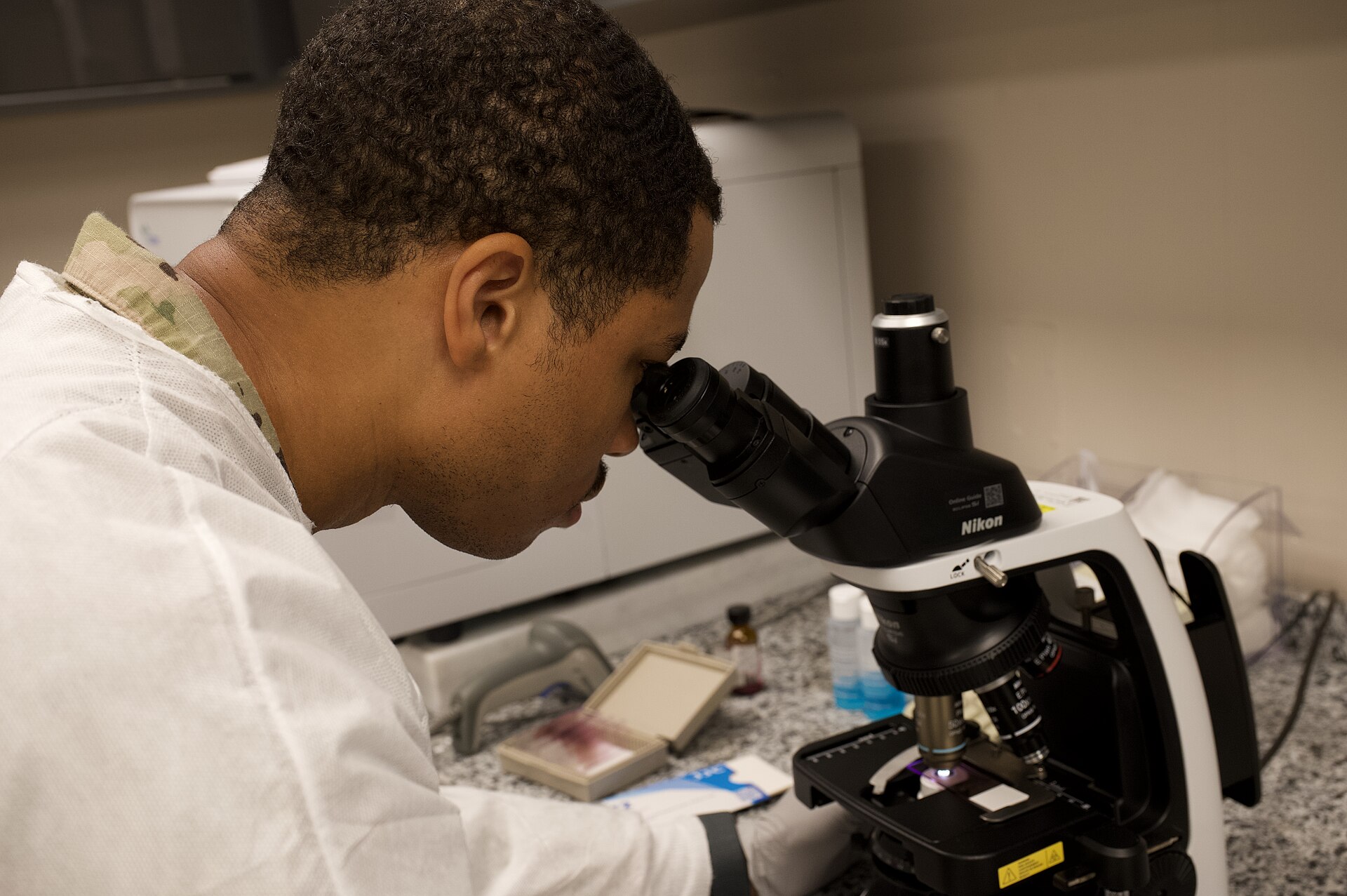
For this test, cells from a swab test sample are grown in a lab and then checked for VZV. This test is not as accurate as a PCR test.; A direct fluorescent antibody (DFA) test. This test is also done on a swab test sample that is sent to a lab.
It involves using a fluorescent dye and a special microscope to look for VZV in the sample. It is a rapid test, but it is not as accurate as a PCR.; An antibody test. This is a blood test that looks for VZV antibodies.
Antibodies are proteins that your immune system makes to fight foreign substances, such as viruses and bacteria. Testing for one type of antibody (IgM) can show if you have a current or recent VZV infection. Testing for another type of antibody (IgG) can show if you have ever been exposed to VZV.; Which tests and samples are used depends on the person and their symptoms.
Why this test is done
You may need a chickenpox or shingles test if you are at higher risk of complications, are not immune to VZV, and/or have symptoms of infection.
Contact your provider right away if you have symptoms of chickenpox or shingles. Some of the symptoms of chickenpox and shingles are similar, but they are not the same illness. Common symptoms for both include:
- A red, blistering rash
- Fever
- Headache
- Sore throat
With chickenpox, the rash first appears on the chest, back, and face. Then it spreads over the entire body, including inside the mouth, eyelids, or genital area. It usually takes about 1 week for all of the blisters to become scabs.
One to two days before you get the rash, you may have other typical symptoms, such as:
- Fever
- Tiredness
- Loss of appetite
- Headache
Some people who have been vaccinated against chickenpox can still get the disease. But they often have milder symptoms and are sick for a shorter period of time than people who are not vaccinated.
Before getting a rash, people with shingles may first have pain, itching, or tingling in the area where the rash later develops. This can happen several days before the rash appears. They may also have a fever at this time.
The rash that develops is painful and itchy, and it often develops on just one side of the body or face, and in a small area. The most common place for shingles to occur is in a band around one side of the waistline. Shingles on the face can affect the eye and cause vision loss.
Rarely, the rash can be more widespread on the body and look similar to a chickenpox rash. This usually happens in people with weakened immune systems.
The rash consists of blisters that typically scab over in 7 to 10 days and fully clear up within 2 to 4 weeks.
Other symptoms of shingles can include:
- Headache
- Chills
- Upset stomach
You may also need this test if you are at higher risk of complications and were recently exposed to chickenpox or shingles. You can't catch shingles from another person. But the shingles virus (VZV) can spread and cause chickenpox in someone who doesn't have immunity.
How to prepare
You don't need any special preparations for a blood or blister test.
Sample type
Blood Swab Tissue/Biopsy
Other names for this test
varicella zoster virus antibody, serum varicella immunoglobulin G antibody level, VZV antibodies IgG and IgM, herpes zoster
Full library entry
Reference ranges, sample type, and citations for this marker.
Open in the biomarker librarySources
- nia.nih.gov/health/shingles— MedlinePlus
Track this marker over time
File the reports behind your results in eMed7 and repeat values build into a trend. Free to start.
Educational content only. This entry describes what a test measures and how published reference ranges are defined. It is not a diagnosis, does not interpret your personal results, and is not a substitute for a qualified doctor.