Crystals in Urine
Sourced reference. This entry is compiled from MedlinePlus and is reproduced for reference rather than written by eMed7. Reference ranges differ between laboratories — always read a result against the range printed on your own report.
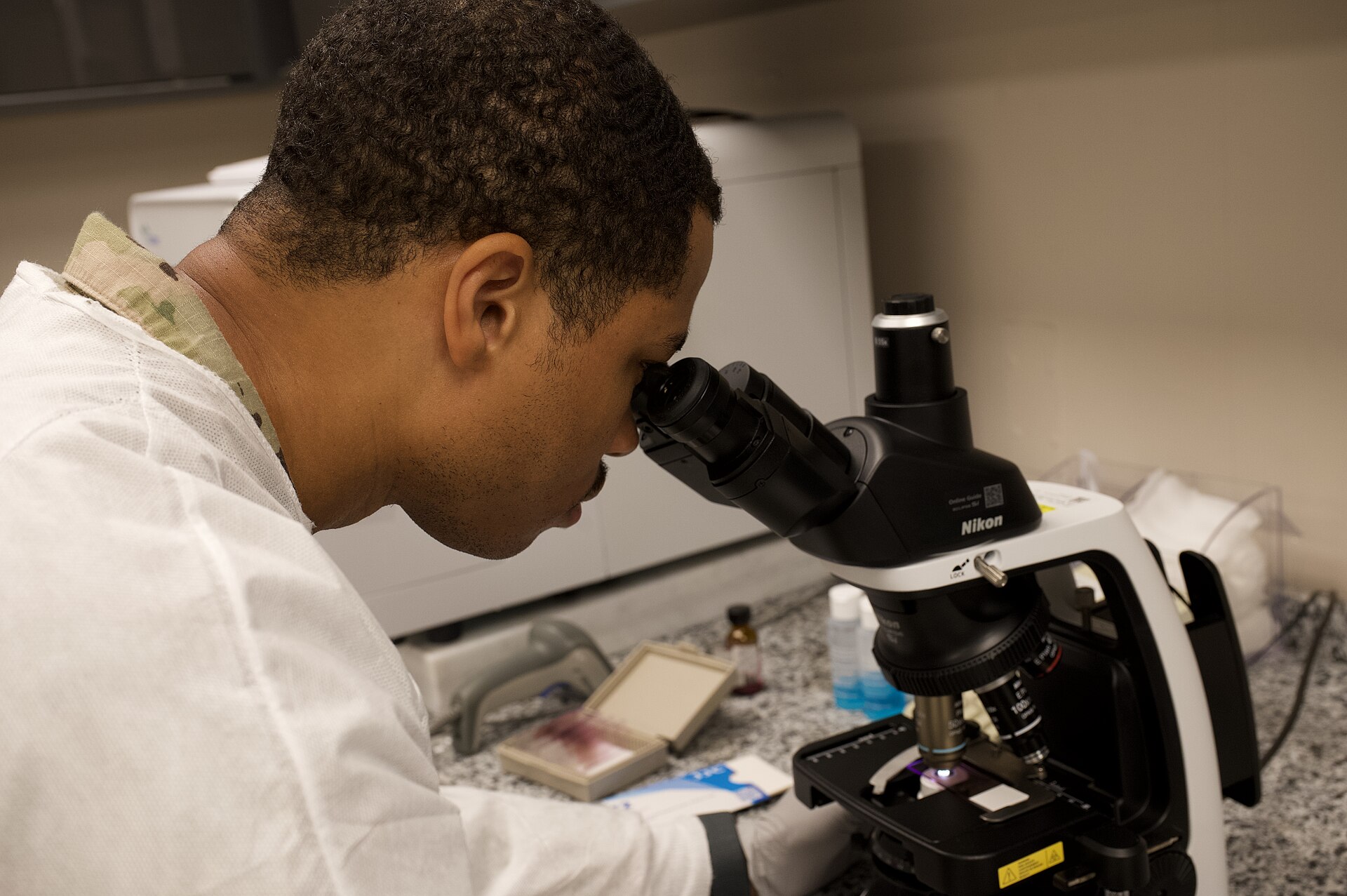
A crystals in urine test checks a sample of your urine (pee) under a microscope to look for crystals. The test shows what the crystals are made of, how large they are, and how many are in your urine. Urine crystals are formed in your kidneys.
Your kidneys are two organs located below your rib cage, one on each side of your spine. They make urine when they filter your blood to remove waste products and extra water from your body. Urine contains many dissolved substances, including extra minerals and acids your body doesn't need.
Certain minerals in your urine may clump together with other substances and form solid crystals. This usually happens if your urine contains high levels of those minerals or has too much or too little acid. Having a few small crystals in your urine is normal, and they usually don't cause problems.
But large amounts of certain types of crystals may be a sign of a health condition that needs treatment. Some types of crystals may stick together and make kidney stones. These are hard, pebble-like pieces of material that form in the kidneys.
Small kidney stones may pass out of your body in your urine with little or no pain. But without treatment, a large kidney stone may get stuck and block your urine flow. This can cause pain, bleeding, and serious damage to your kidneys and other parts of your urinary system.
A crystals in urine test can help find the cause of kidney stones so you can get the right treatment to help prevent them.
Why this test is done
You may have a crystals in urine test as part of a urinalysis to check your general health. You may also need this test if:
- You have symptoms of a kidney stone or urinary tract infection, which include:
- Sharp pains in your lower abdomen (belly), side, groin, or back
- Blood in your urine
- Frequent need to urinate (pee)
- Not being able to urinate at all or only urinating a little bit
- Pain when urinating
- Cloudy or bad-smelling urine
- Nausea and vomiting
- Fever and chills
- You have a condition that can cause kidney stones.
- You have had a kidney stone, and your health care provider needs to know your risk for developing another one.
How to prepare
You don't need any special preparations for a crystals in urine test. To make sure your test results are accurate, be sure to carefully follow all the instructions for providing your urine sample.
Sample type
Urine
Other names for this test
urinalysis (crystals) microscopic urine analysis, microscopic examination of urine
Full library entry
Reference ranges, sample type, and citations for this marker.
Open in the biomarker librarySources
- pubmed.ncbi.nlm.nih.gov/27847293— MedlinePlus
- ncbi.nlm.nih.gov/books/NBK348937— MedlinePlus
- ncbi.nlm.nih.gov/books/NBK482482— MedlinePlus
- ncbi.nlm.nih.gov/books/NBK599516— MedlinePlus
- ncbi.nlm.nih.gov/books/NBK606103— MedlinePlus
- niddk.nih.gov/health-information/kidney-disease/kidneys-how-they-work— MedlinePlus
- niddk.nih.gov/health-information/urologic-diseases/kidney-stones/definition-facts— MedlinePlus
- niddk.nih.gov/health-information/urologic-diseases/kidney-stones/symptoms-causes— MedlinePlus
Track this marker over time
File the reports behind your results in eMed7 and repeat values build into a trend. Free to start.
Educational content only. This entry describes what a test measures and how published reference ranges are defined. It is not a diagnosis, does not interpret your personal results, and is not a substitute for a qualified doctor.