Decoding Thyroid Panels: Understanding TSH, Free T3, and Free T4
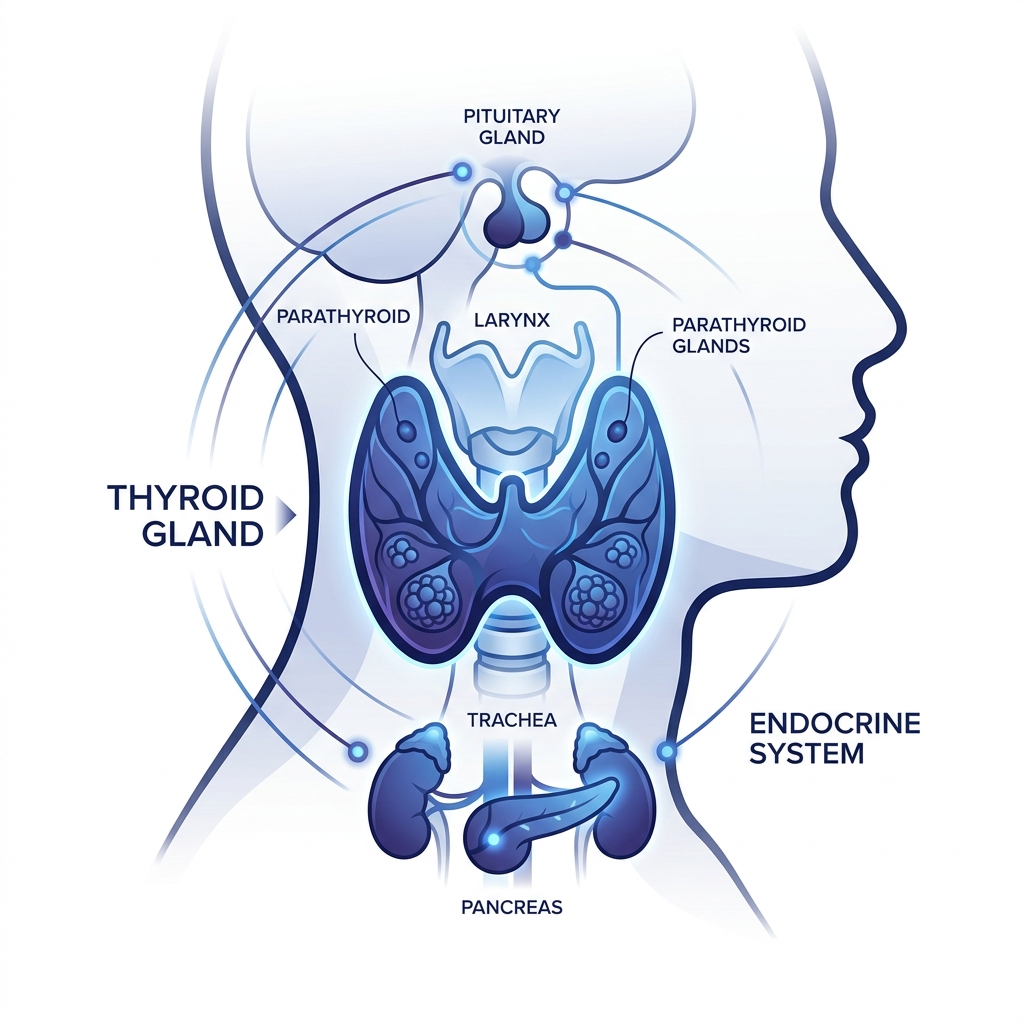
The thyroid is a small, butterfly-shaped gland at the base of your neck that plays a massive role in regulating your body's energy expenditure, body temperature, weight fluctuations, and cardiovascular rhythms. To check how well it is functioning, doctors order a **Thyroid Panel**. Let's decode the three key hormones checked in these blood tests.
1. Thyroid Stimulating Hormone (TSH)
TSH is actually produced by the pituitary gland in the brain, not the thyroid itself. Think of TSH as the pituitary gland yelling at the thyroid to produce hormone.
- High TSH Levels suggest the thyroid is underactive (Hypothyroidism). The brain is screaming at the thyroid because it is not producing enough hormone.
- Low TSH Levels suggest the thyroid is overactive (Hyperthyroidism). The brain has stopped signaling because there is already too much thyroid hormone circulating.
2. Free T4 (Thyroxine) and Free T3 (Triiodothyronine)
T4 is the primary hormone produced by the thyroid gland. It is mostly inactive and gets converted in tissue to T3, which is the active hormone driving metabolism. "Free" hormones are the unbound, active hormones available for cells to use immediately.
3. Classic Clinical Profiles
Doctors look at TSH and Free T4 levels together to assess conditions:
| Condition | TSH Level | Free T4 Level |
|---|---|---|
| Primary Hypothyroidism | Elevated (High) | Decreased (Low) |
| Primary Hyperthyroidism | Suppressed (Low) | Elevated (High) |
Hypothyroid Tracking
Monitor TSH, Free T3, and Free T4 trends inside Focus Mode templates.
Scientific Validation Disclaimer: Thyroid diagnostic ranges are standard NLM reference lines. TSH values can fluctuate normally during pregnancy or physical stress. Consult an endocrinologist for accurate diagnostic assessments.