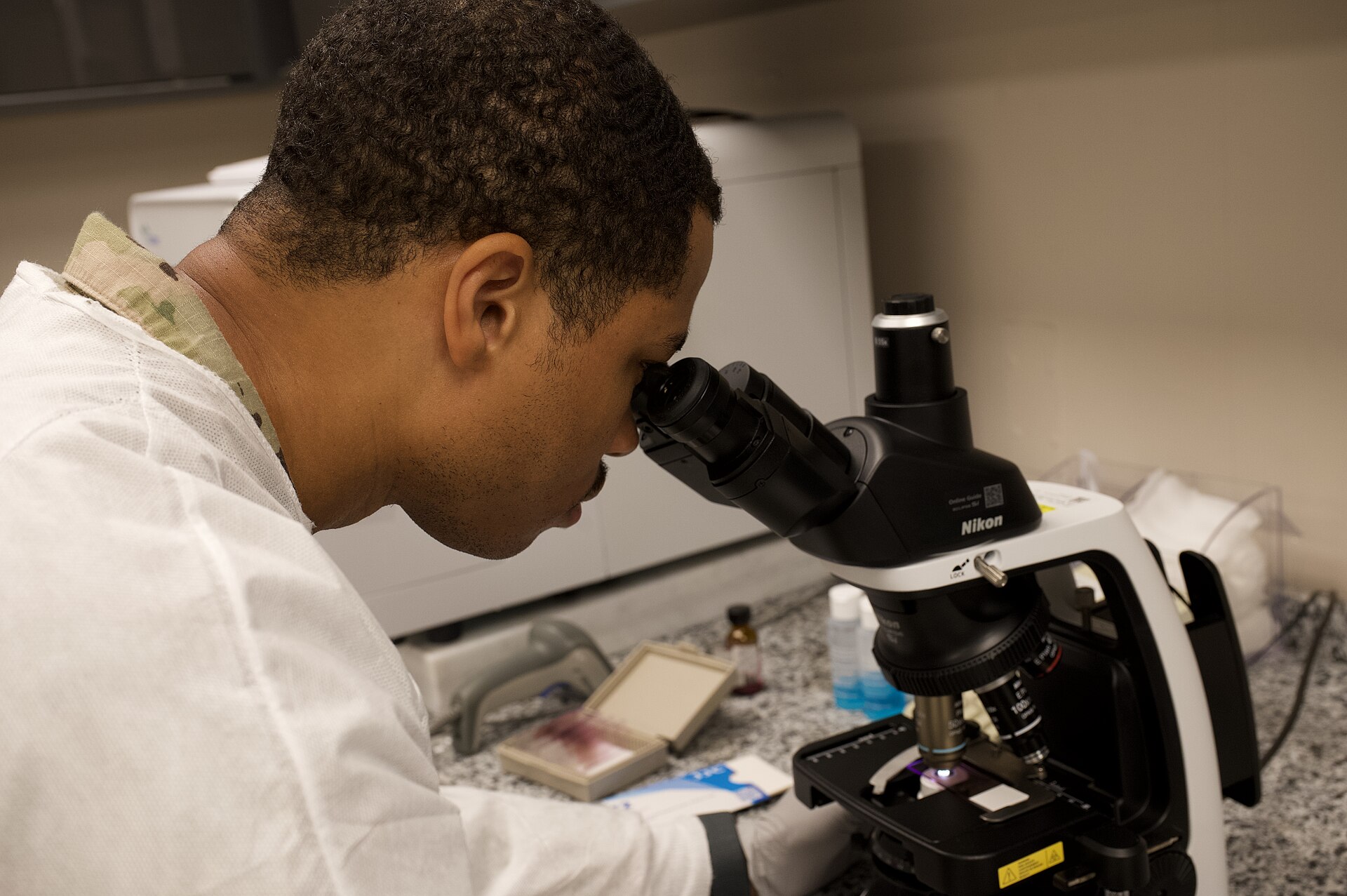
Gonorrhea Test
Sourced reference. This entry is compiled from MedlinePlus and is reproduced for reference rather than written by eMed7. Reference ranges differ between laboratories — always read a result against the range printed on your own report.
A gonorrhea test looks for signs of a gonorrhea bacterial infection in a sample of your urine (pee) or saliva. Gonorrhea is one of the most common sexually transmitted infections (STIs). Anyone can get gonorrhea if they have vaginal, oral, or anal sex with someone who has the infection.
The bacteria often infect the genitals, but it can infect the rectum, throat, eyes, and other parts of the body. Your health care provider will test for a gonorrhea infection using a sample of your body fluid. The fluid used depends on the type of gonorrhea test and where the infection may be.
They may collect a sample from the: Urethra (the tube that carries urine out of the body in males and females).; Cervix (the lower part of the uterus).; Vagina.; Throat.; Rectum (the last part of your intestine that connects to the anus).; Gonorrhea often has no symptoms, so you may spread it to others without even knowing you have the infection. Gonorrhea can be passed to a baby during childbirth if the mother is infected. In babies, the infection usually affects the eyes.
Gonorrhea can be cured with antibiotics. But if it's not treated, it can lead to serious health problems including blood infection, especially in babies. In the female reproductive system, gonorrhea can cause: Pelvic inflammatory disease; Infertility or ectopic pregnancy; Long-term pelvic pain; In the male reproductive system, gonorrhea can cause: Pain in the testicles; Infertility (uncommon); In babies, gonorrhea can cause: Blindness; Joint infections; A gonorrhea test can help you catch the infection early so you can get treatment before you develop lasting health problems or spread it to others.
Why this test is done
You may need a gonorrhea test if you're sexually active and have symptoms of an infection or are at high risk for one. If you have symptoms, a test can diagnose or rule out gonorrhea. Symptoms may include:
- An unusual discharge (fluid) from the genitals (vagina or penis).
- Pain or burning when urinating (peeing).
- Rectal symptoms, such as itching, bleeding, and anal discharge.
- Pain in the lower abdomen (belly).
- Sore throat (uncommon).
- Vaginal bleeding between menstrual periods.
- Pain, tenderness, or swelling in the testicles or scrotum.
- Eye symptoms, such as pain and/or itching, sensitivity to light, and a pus-like fluid that drains from one or both eyes.
However, you may have a gonorrhea infection without any symptoms. Because of this, medical experts recommend yearly screening tests for those who are at higher risk of getting gonorrhea. You have a higher risk if you're sexually active and:
- Are a woman younger than 25 years old.
- Are a man who has sex with men (MSM).
- Have HIV. If you have HIV, you should be tested for gonorrhea the first time you see your provider for HIV care. After that, you should be tested at least once a year. But you may be tested more often if your sexual activity increases your risk for getting gonorrhea.
If you don't have any symptoms, you may also need a gonorrhea test if you:
- Have a new sex partner.
- Have more than one sex partner.
- Have a sex partner who has sex with others.
- Have a sex partner who has an STI.
- Engage in sex work.
- Don't use condoms correctly every time you have sex.
If you are pregnant and younger than age 25, you should have a gonorrhea test early in your pregnancy. If you are older than age 25, ask your provider if you need to be tested.
If you are a man with no symptoms and a low risk of infection, medical experts don't suggest routine testing for gonorrhea.
Your need for testing also depends on your personal risk of getting gonorrhea. Some people may need to be tested more than once a year. So, ask your provider what's best for you.
How to prepare
Your provider will tell you how to prepare for your test. If you are taking antibiotics, let your provider know.
- For a urine test, you may need to avoid urinating for two hours before the test.
- If you have a cervical or vaginal swab, you may need to avoid vaginal douches or creams for a day before the test.
Sample type
Urine Swab
Other names for this test
GC test, gonorrhea DNA probe test, gonorrhea nucleic acid amplification test (NAAT), GC culture
Full library entry
Reference ranges, sample type, and citations for this marker.
Open in the biomarker libraryTrack this marker over time
File the reports behind your results in eMed7 and repeat values build into a trend. Free to start.
Educational content only. This entry describes what a test measures and how published reference ranges are defined. It is not a diagnosis, does not interpret your personal results, and is not a substitute for a qualified doctor.