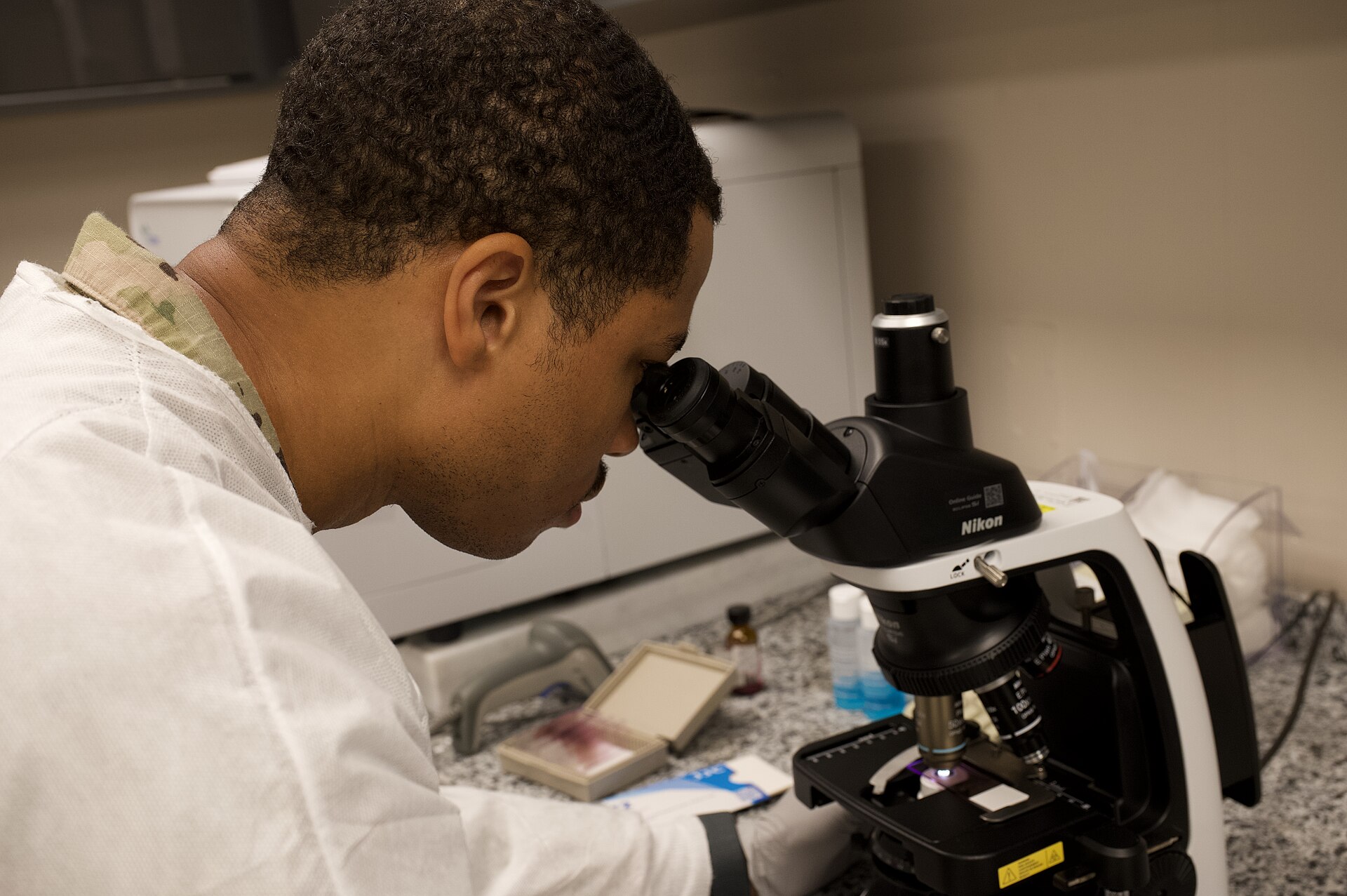
HIV Screening Test
Sourced reference. This entry is compiled from MedlinePlus and is reproduced for reference rather than written by eMed7. Reference ranges differ between laboratories — always read a result against the range printed on your own report.
An HIV test checks a sample of your blood, saliva (spit), or urine (pee) to see whether you are infected with HIV (human immunodeficiency virus). HIV is a virus that destroys certain cells in your immune system. These cells protect your body against diseases from germs, such as bacteria, viruses, and fungi.
If you lose too many immune cells, your body will have trouble fighting off infections and other diseases. HIV is spread through contact with blood and other body fluids from a person who has an HIV infection. This usually happens during sex or when sharing needles or other items used to inject drugs.
HIV is the virus that causes AIDS (acquired immunodeficiency syndrome). AIDS is the final, most serious stage of an HIV infection. Without treatment, HIV gradually destroys your immune system, which leads to AIDS.
With AIDS, your body has trouble fighting off infections from germs that usually don't cause problems in healthy people. These are called opportunistic infections, and they can become life-threatening. AIDS increases your risk of developing certain cancers, too.
Most people with HIV don't have AIDS. If you have HIV and you take HIV medicines as prescribed, you may never get AIDS. Getting tested for HIV helps catch the virus early so you can start treatment, stay healthy, and avoid spreading HIV.
If you think you were exposed to HIV, talk with your health care provider right away about emergency treatment, called PEP (post-exposure prophylaxis). PEP may prevent an HIV infection if it is started within three days after a possible exposure. The sooner you start, the better.
You will need to have HIV tests during and after taking PEP. There are three main types of HIV tests. They are all very accurate, but no test can find HIV in your body immediately after you're infected.
That's because it can take weeks until the signs of HIV in your body increase enough to show up on a test. The time between infection and when a test can find HIV depends on your body's response to HIV and the type of test you have: HIV antibody tests look for HIV antibodies in your blood, saliva, or urine. HIV antibodies are disease-fighting proteins that your immune system makes when you have an HIV infection.
Some people make antibodies faster than others. An antibody test may find HIV antibodies as early as 23 days after infection, but it may take as long as 90 days before your body makes enough antibodies to show up on this test. Antibody tests can be done in different ways: Lab tests use a blood sample taken from a vein.
In general, lab tests can find antibodies sooner after infection than other HIV antibody tests. Test results are usually ready a few days after your blood sample is taken.; Rapid tests use saliva, urine, or blood from your finger. They provide results in about 30 minutes.; At-home tests include rapid self-test kits with everything you need to collect and test a sample of saliva on your own and get your results.
With mail-in tests, you collect a drop of blood from your finger to send to a lab for testing.; ; HIV antibody/antigen tests are the most commonly used HIV tests. They look for HIV antibodies and antigens in your blood. An antigen is the part of the HIV virus that triggers your immune system to fight the infection.
After an HIV exposure, antigens will show up in your blood sooner than antibodies: Lab tests that use a blood sample from a vein can find an HIV infection as soon as 18 to 45 days after you were infected.; Rapid tests use a drop of blood from your finger. This test can find HIV infections starting between 18 days to 90 days after you were infected.; At-home tests, or mail-in tests, allow you to collect blood from your finger at home to send to a lab for testing. Like rapid tests, these tests can start finding HIV 18 to 90 days after infection.; ; NAT tests (nucleic acid tests) look for HIV in a sample of your blood taken from a vein and tested in a lab.
These tests may also be called 'viral load tests.' They can usually find an HIV infection as soon as 10 to 33 days after infection. But they are mostly used for monitoring HIV treatment and not for routine screening, because they are expensive. Ask your provider about having a NAT test as soon as possible if you: May have been exposed to HIV and have symptoms, such as: Flu-like symptoms, including fever, chills, aches; Extreme fatigue; Swollen lymph nodes (in your neck, groin, or armpit); Rash; Sores in your mouth; Night sweats; Sore throat; Unexplained weight loss; ; Know you were exposed to HIV; ;
Why this test is done
The Centers for Disease Control and Prevention (CDC) recommends that everyone between the ages of 13 and 64 get tested for HIV at least once as part of routine health care.
You may need to be tested more than once if you have a higher risk for infection. If your last HIV test was more than a year ago, you should get tested as soon as possible if you have:
- Had vaginal or anal sex with someone who has HIV (HIV positive) or whose HIV status you don't know
- Injected drugs and shared needles, syringes, or other drug items with other people
- Exchanged sex for money or drugs
- Had a sexually transmitted infection (STI), such as syphilis
- Had sex with anyone who has done anything listed above
If you regularly do any of the things on the above list, you should be tested for HIV at least once every year. Certain people, including men who have sex with men (MSM), may benefit from being tested more often, depending on their risk. Ask your provider how often you should be tested.
If you have had hepatitis or tuberculosis, you should also get tested for HIV at least once a year.
If you are pregnant, your doctor may order an HIV test. That's because HIV can be passed to the fetus during pregnancy and to the baby at birth, and through breast milk. There are medicines you can take during pregnancy and delivery that greatly reduce your risk of spreading HIV to your baby.
How to prepare
You don't need any special preparations for an HIV test. If you are getting tested in a health clinic or community program, a counselor may talk with you about your risk for HIV. So, you may want to write down any questions you have ahead of time.
Sample type
Blood Urine Saliva
Other names for this test
HIV antibody/antigen tests, HIV-1 and HIV-2 antibody and antigen evaluation, HIV test, human immunodeficiency virus antibody test, type 1, HIV p24 antigen test
Full library entry
Reference ranges, sample type, and citations for this marker.
Open in the biomarker librarySources
- hivinfo.nih.gov/understanding-hiv/fact-sheets/basics-hiv-prevention— MedlinePlus
- hivinfo.nih.gov/understanding-hiv/fact-sheets/hiv-testing— MedlinePlus
- ncbi.nlm.nih.gov/books/NBK482145— MedlinePlus
Track this marker over time
File the reports behind your results in eMed7 and repeat values build into a trend. Free to start.
Educational content only. This entry describes what a test measures and how published reference ranges are defined. It is not a diagnosis, does not interpret your personal results, and is not a substitute for a qualified doctor.