Malaria Tests
Sourced reference. This entry is compiled from MedlinePlus and is reproduced for reference rather than written by eMed7. Reference ranges differ between laboratories — always read a result against the range printed on your own report.
Malaria is a serious disease caused by a parasite. Malaria parasites are tiny single-celled life forms. They live and reproduce in the red blood cells of humans.
This destroys the red blood cells, which makes you sick. In most cases, people get malaria when they are bitten by mosquitos that are infected with the parasite. At first, malaria symptoms may be much like the flu.
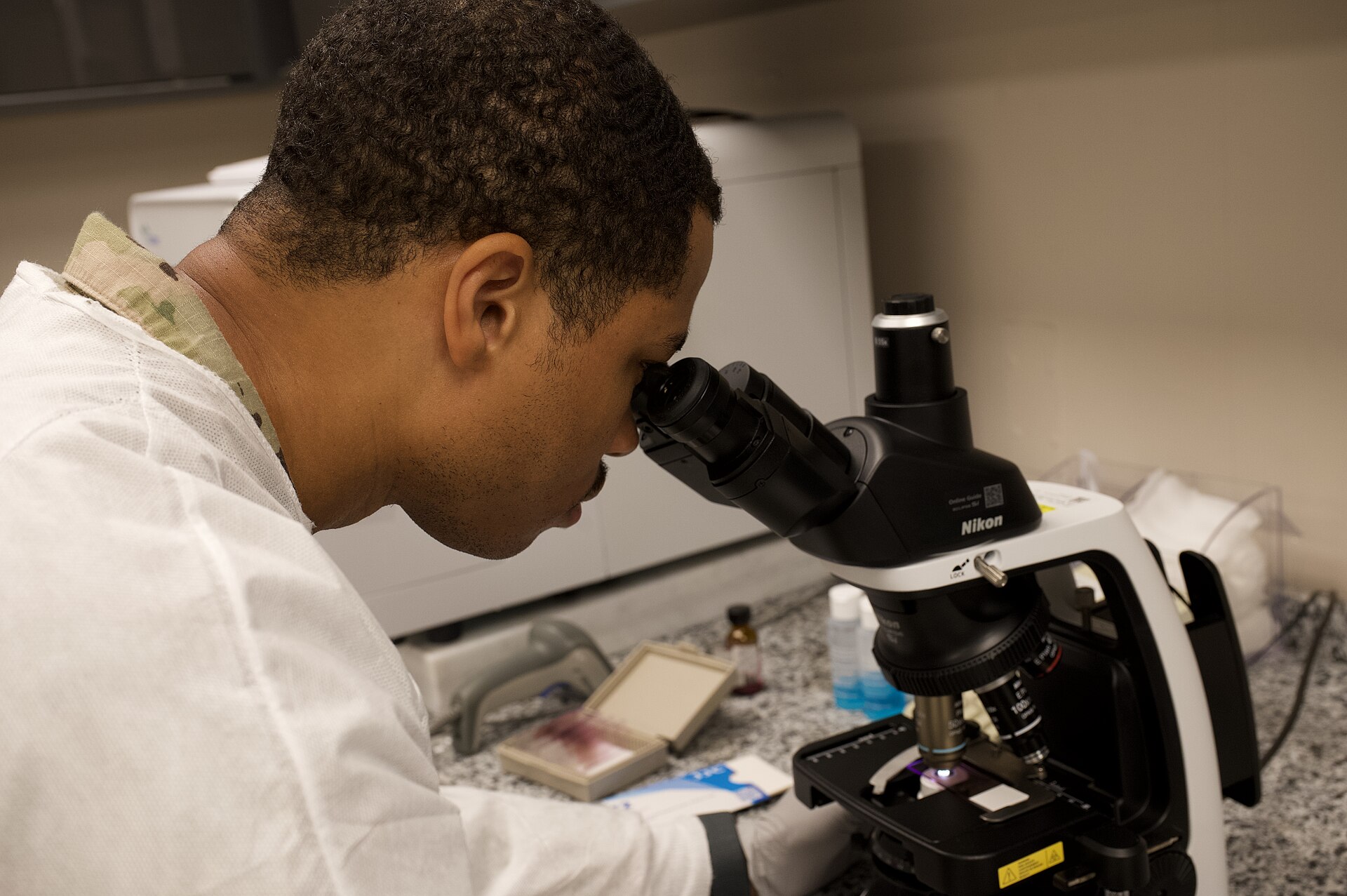
In certain cases, the disease can become life-threatening if it isn't treated quickly. But medicines can usually cure malaria. Malaria tests look for signs of a malaria infection in a sample of your blood.
The tests can diagnose malaria early so the disease can be cured before it causes serious illness. Malaria testing is used if you have symptoms of malaria and you have recently been in parts of the world where malaria is common. Malaria is rare in the United States.
It's mostly found in warm, humid parts of the world. The highest number of cases are in parts of Africa south of the Sahara Desert. In the U.S., most cases are in people who have traveled in tropical and subtropical areas where mosquitos spread a lot of disease.
In rare cases, malaria is spread through contact with the blood of an infected person. This may happen during blood transfusions, organ transplantations, or sharing needles and other items used to inject drugs. If you're pregnant when you have malaria, it's possible to give it to your unborn baby.
But malaria isn't catchy like a cold or flu. And it can't be spread through sex or being near someone who has malaria.
Why this test is done
You may need this test if you have symptoms of malaria and you've been in an area where malaria is common. Depending on the type of malaria parasite, symptoms usually begin between 7 to 30 days after an infected mosquito bites you. But symptoms can take up to a year to appear.
So, if you have symptoms, remind your health care provider about any places you've traveled over the past 12 months.
The first symptoms of malaria are often like having the flu, and may include:
- Fever
- Chills
- Fatigue
- Headache
- Muscle pain
- Nausea and vomiting
If you are infected with certain types of malaria parasites, you may have symptoms which come and go every two or three days.
Without treatment, malaria can quickly become a life-threatening disease. As it gets worse, the symptoms will depend on the type of parasite you have. They may include:
- Anemia
- Jaundice
- Kidney failure
- Seizures
- Mental confusion
- Coma
How to prepare
You don't any special preparations for a malaria test.
Sample type
Blood
Other names for this test
malaria blood smear, malaria rapid diagnostic test, malaria by PCR
Full library entry
Reference ranges, sample type, and citations for this marker.
Open in the biomarker libraryTrack this marker over time
File the reports behind your results in eMed7 and repeat values build into a trend. Free to start.
Educational content only. This entry describes what a test measures and how published reference ranges are defined. It is not a diagnosis, does not interpret your personal results, and is not a substitute for a qualified doctor.