Pap Smear
Sourced reference. This entry is compiled from MedlinePlus and is reproduced for reference rather than written by eMed7. Reference ranges differ between laboratories — always read a result against the range printed on your own report.
A Pap smear is a test to screen for cervical cancer. If cervical cancer is found and treated early, there is a better chance it can be cured. This type of cancer starts in the cells of the cervix.
Your cervix is the lower part of your uterus, the place where a developing baby grows during pregnancy. The cervix opens into your vagina. Cervical cancer develops slowly over time.
Before cancer appears in the cervix, the cells of the cervix go through changes in which abnormal cells begin to appear in the cervical tissue. This is called dysplasia. Over time, if not destroyed or removed, the abnormal cells may become cancer cells.
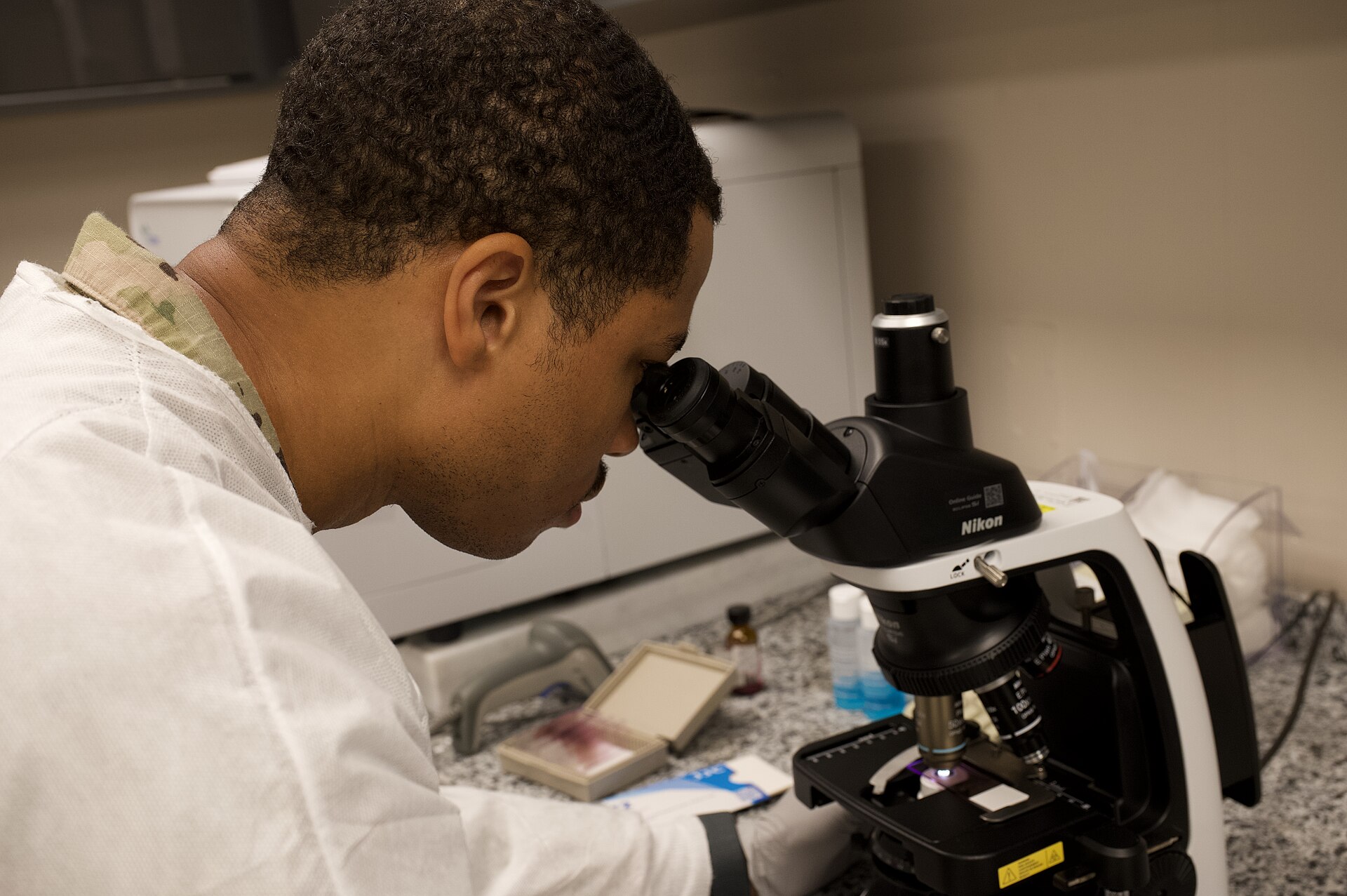
They can grow and spread into other parts of the cervix and the areas around it. During a Pap smear, your health care provider collects cells from your cervix and sends them to a lab. There, the cells are checked under a microscope for cancer or signs that they are abnormal and may become cancer.
Cells that may become cancer are called precancerous cells. Finding and treating precancerous cells can help prevent cervical cancer. The Pap smear is also a reliable way to find cancer early, when it's easier to treat.
A pap smear may also find certain infections or inflammation. Other names for a Pap smear: Pap test, cervical cytology, Papanicolaou test, Pap smear test, vaginal smear technique
How to prepare
You should not have a Pap smear while you are having your period because this may affect your results. A good time to have the test is about five days after the last day of your period. For two days before your test, you should not:
- Use tampons
- Use birth control foam, jelly, or cream
- Use other creams or medicines in your vagina
- Douche (rinse the vagina with water or other fluid)
- Have vaginal sex
Full library entry
Reference ranges, sample type, and citations for this marker.
Open in the biomarker libraryTrack this marker over time
File the reports behind your results in eMed7 and repeat values build into a trend. Free to start.
Educational content only. This entry describes what a test measures and how published reference ranges are defined. It is not a diagnosis, does not interpret your personal results, and is not a substitute for a qualified doctor.