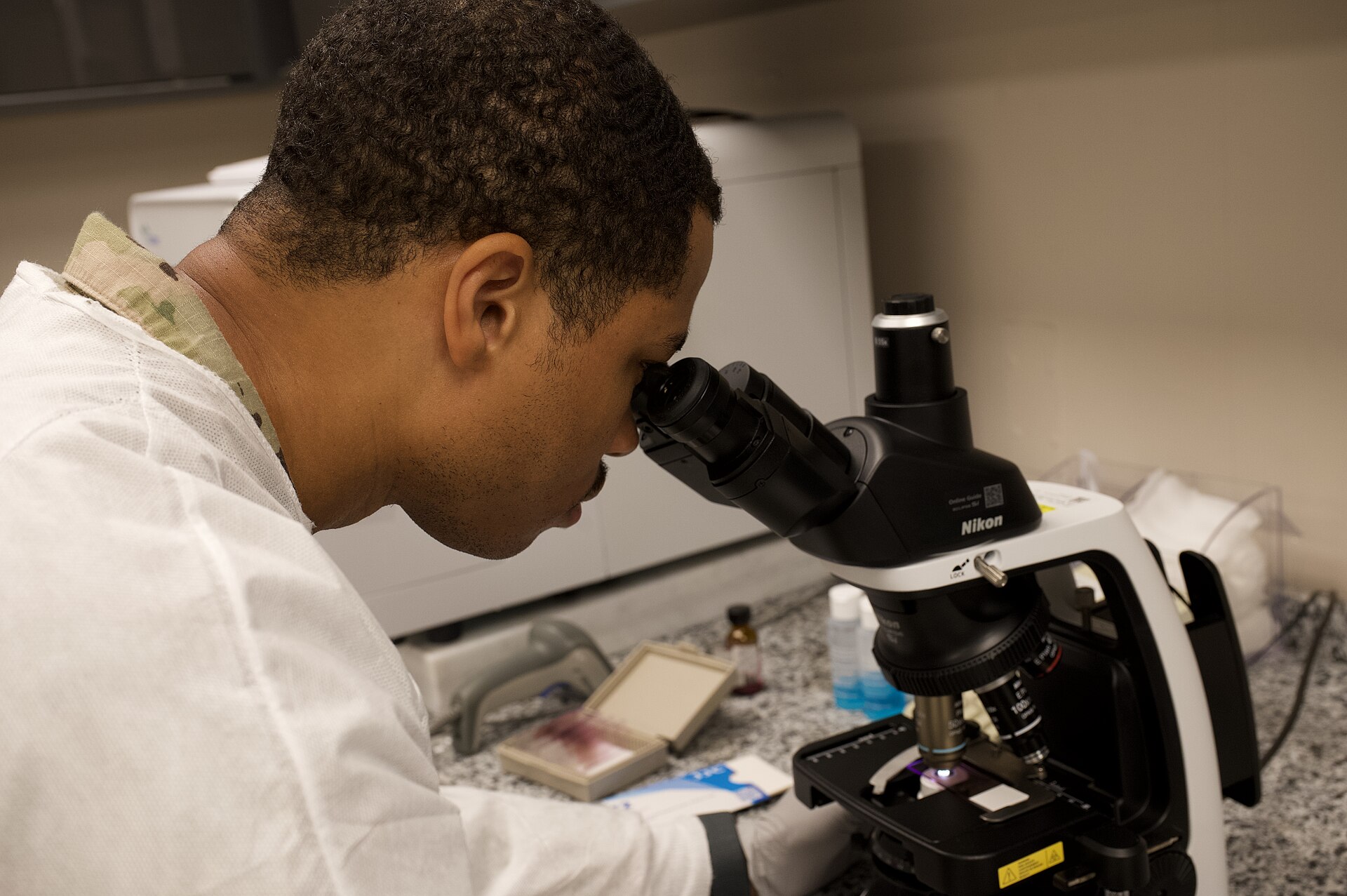
Parathyroid Hormone (PTH) Test
Sourced reference. This entry is compiled from MedlinePlus and is reproduced for reference rather than written by eMed7. Reference ranges differ between laboratories — always read a result against the range printed on your own report.
This test measures the level of parathyroid hormone (PTH) in your blood. PTH, is made by your parathyroid glands. They are four pea-sized glands in your neck.
Hormones are chemical messengers in your bloodstream. They control the actions of certain cells or organs. PTH controls the level of calcium in your blood.
Calcium is one of the most important minerals in your body. Most of it is stored in your bones and teeth. Having the right amount of calcium in your blood is important for your nerves, muscles, and heart to work properly.
If your calcium blood levels are too low, your parathyroid glands will release just enough PTH into your blood to return your calcium levels to normal. PTH raises your blood calcium by: Telling your bones to release calcium into your blood; Helping your intestines to absorb calcium from the food you eat; Helping your kidneys to keep calcium in your blood instead of getting rid of it through your urine (pee); When your calcium blood levels return to normal, your parathyroid glands stop making PTH and your blood PTH levels decrease. Because the amount of PTH in your blood changes with the amount of calcium in your blood, your health care provider will usually order a calcium blood test along with a PTH test.
Comparing the results of both tests helps your provider understand if your parathyroid glands are working properly to control your calcium levels.
Why this test is done
You may need a PTH test if you:
- Had a calcium test that showed your blood calcium levels aren't normal.
- Have symptoms of too much calcium in your blood. These symptoms may include:
- Digestive symptoms, such as:
- Constipation
- Nausea and vomiting
- Abdominal (belly) pain
- Loss of appetite
- Increased thirst
- Urinating (peeing) more than usual
- Kidney stones
- Bone, joint, and muscle symptoms, such as weakness, aches, and pains
- Fatigue
- A change in mental health, such as depression or confusion
- Have symptoms of too little calcium in your blood. These symptoms can range from mild to severe. They may include:
- Dry skin, coarse hair, and nails that easily break (after a long period of low levels)
- Muscle cramps, spasms, or stiffness
- Tingling in the lips, tongue, fingers, and feet
- Irregular heartbeat (arrhythmia)
- Seizures, if calcium levels are extremely low
- Have a parathyroid disorder or chronic kidney disease.
How to prepare
You probably won't need any special preparations for a PTH test but check with your provider. Some providers may ask you to fast (not eat or drink) before your test. You may also need to take the test at a certain time of day.
Sample type
Blood
Other names for this test
parathormone, intact PTH
Full library entry
Reference ranges, sample type, and citations for this marker.
Open in the biomarker librarySources
- ncbi.nlm.nih.gov/books/NBK430714— MedlinePlus
- ncbi.nlm.nih.gov/books/NBK430912— MedlinePlus
- niddk.nih.gov/health-information/endocrine-diseases/primary-hyperparathyroidism— MedlinePlus
Track this marker over time
File the reports behind your results in eMed7 and repeat values build into a trend. Free to start.
Educational content only. This entry describes what a test measures and how published reference ranges are defined. It is not a diagnosis, does not interpret your personal results, and is not a substitute for a qualified doctor.