Pneumococcal Disease Tests
Sourced reference. This entry is compiled from MedlinePlus and is reproduced for reference rather than written by eMed7. Reference ranges differ between laboratories — always read a result against the range printed on your own report.
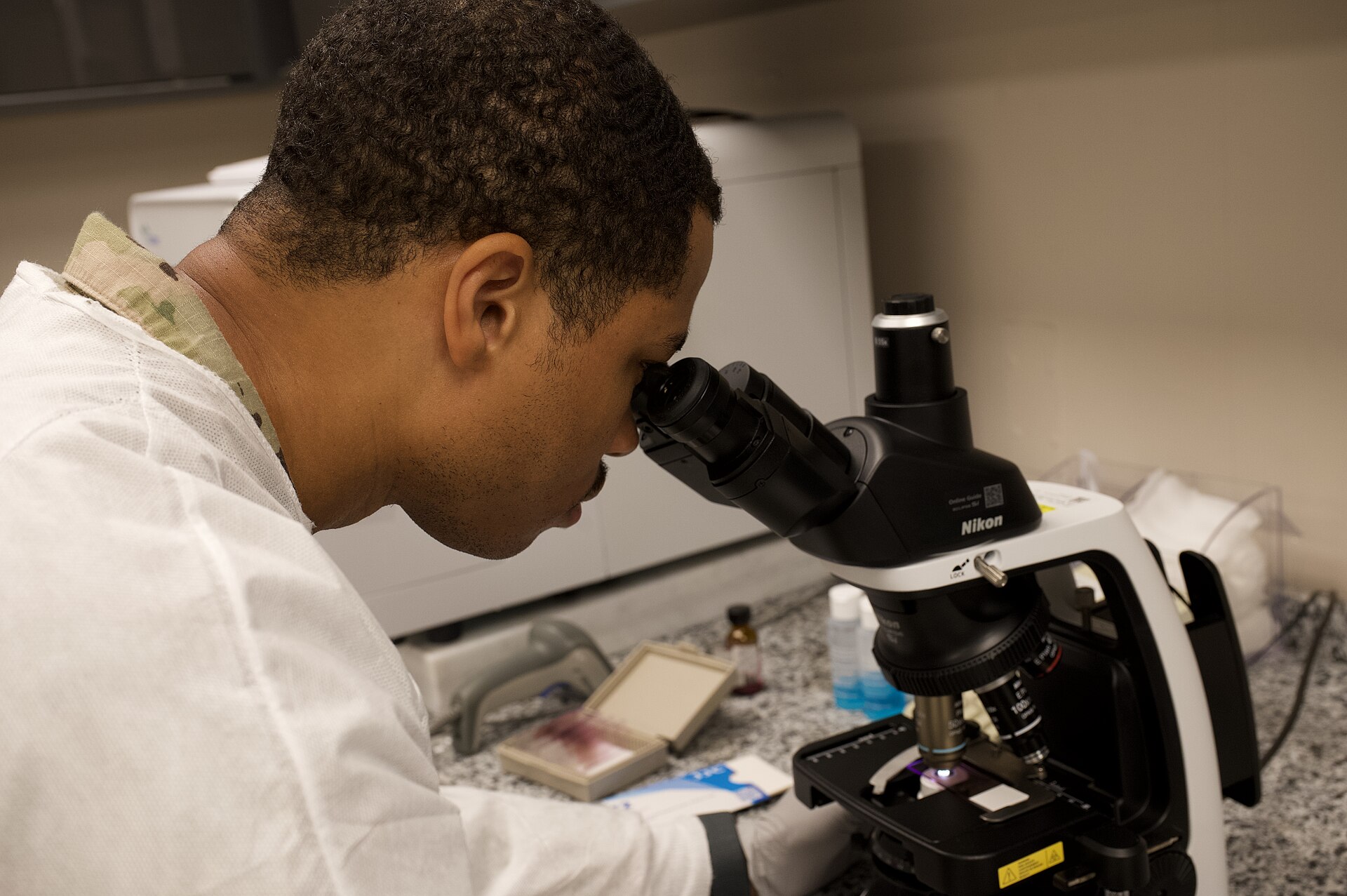
Pneumococcal disease is the name for any infection caused by pneumococcus bacteria (Streptococcus pneumoniae). Pneumococcal disease tests look for these bacteria in your: Blood; Urine (pee); Sputum, the thick mucus coughed up from your lungs; Cerebrospinal fluid (CSF), the fluid in spaces around your brain and spinal cord; Your health care provider will decide which type of test you need, based on your symptoms. You may have one or more of these pneumococcal disease tests, depending on where in your body you have an infection: A pneumococcal PCR test, which is a test that checks for small amounts of the genetic material of pneumococcus bacteria in a sample of your blood.; A pneumococcal antigen test, which is used to identify pneumococcus bacteria in your urine or cerebrospinal fluid.; A pneumococcal culture, which is a bacteria culture test that helps find pneumococcus bacteria in a sample of your blood, urine, sputum, or other tissue.; Pneumococcal disease often causes a fever.
Which other symptoms you have and how serious they are can vary, depending on where your infection is. If your infection is mild, the infection may be considered 'noninvasive' (an infection that doesn't spread to your major organs or blood). If you have a noninvasive infection, the bacteria may cause: An ear infection; A sinus infection; You may have more serious symptoms if the infection is considered 'invasive' (an infection that can or has spread to other parts of your body).
If you have an invasive infection, the bacteria may get into your: Lungs, which could lead to pneumonia; Bloodstream, which is called bacteremia and can lead to sepsis; Tissue surrounding your brain and spinal cord, which could lead to meningitis; Pneumococcal bacteria can spread from person to person through droplets from infected saliva (spit) or mucus. For example, this can happen when: Someone who has the bacteria coughs or sneezes near you; You touch an item that has infected droplets on it; You kiss someone who has the bacteria; Many people, especially children, have this bacteria in their nose or throat at one time or another. Most of the time, they don't get sick, and this is called being a 'carrier' of the bacteria.
But they can still spread it to others. Pneumococcal disease often spreads through crowded settings and is more common during winter and early spring. Anyone can get pneumococcal disease, but some people have a higher risk.
They include people who: Are age 65 or older. Older adults tend to have more severe symptoms and complications.; Are younger than five years old.; Live in a long-term care facility.; Are current or former smokers.; Have a chronic (long-lasting) lung disease such as COPD or emphysema.; Have a weakened immune system due to a disease such as HIV or because you are taking certain medicines such as corticosteroids or chemotherapy.; Have a chronic health condition such as diabetes, coronary artery disease, or kidney failure.; Have alcohol use disorder (AUD).; Have no spleen.; Have a cochlear implant (an implanted device that helps you hear).; Are from certain racial and ethnic groups, such as Alaska Native people, African American people, and certain American Indian people.;
Why this test is done
Symptoms of pneumococcal infections can vary, depending on which part of your body is affected. They most often affect your lungs, middle ear, or sinuses. Your symptoms could begin suddenly.
They can range from mild to severe. It's important to get the right diagnosis and treatment to help prevent health complications.
Symptoms of an ear infection can include:
- A red, swollen eardrum
- Ear pain
- Fever
- Fluid draining from the ear
Symptoms of a sinus infection can include:
- Cough
- Facial pain or pressure
- Headache
- Post-nasal drip (mucus dripping down the throat)
- Runny or stuffy nose
- Sore throat
Symptoms of pneumococcal pneumonia, a lung infection, can include:
- Sharp chest pain, often on one side
- Cough
- Fever and chills
- Rapid or difficulty breathing
- In older adults, confusion or not being alert
Symptoms of pneumococcal bacteremia, a bloodstream infection, can include:
- Chills
- Fever
- Confusion
Symptoms of pneumococcal meningitis, an infection of the lining of your brain and spinal cord, can include:
- Confusion
- Fever
- Headache
- Your eyes being more sensitive to light (photophobia)
- A stiff neck, which may make lowering your chin to your chest difficult
- In babies, not eating or drinking as well, being less alert, and sometimes vomiting
Call your provider if you think that you or your child could have a serious pneumococcal infection. Severe infections can lead to sepsis or long-term health problems.
How to prepare
For most pneumococcal disease tests, you don't need any special preparation. Talk to your provider and ask about any special preparations. You may need to fast (not eat or drink) before the test.
You may also need to stop taking certain medicines, so be sure to tell your provider about everything you take. But don't stop taking any medicines unless your provider tells you to.
Sample type
Blood Urine Swab CSF Sputum
Other names for this test
Streptococcus pneumoniae test
Full library entry
Reference ranges, sample type, and citations for this marker.
Open in the biomarker librarySources
- pmc.ncbi.nlm.nih.gov/articles/PMC7128949— MedlinePlus
- pmc.ncbi.nlm.nih.gov/articles/PMC8538797— MedlinePlus
- ncbi.nlm.nih.gov/books/NBK470537— MedlinePlus
- ncbi.nlm.nih.gov/books/NBK507794— MedlinePlus
Track this marker over time
File the reports behind your results in eMed7 and repeat values build into a trend. Free to start.
Educational content only. This entry describes what a test measures and how published reference ranges are defined. It is not a diagnosis, does not interpret your personal results, and is not a substitute for a qualified doctor.