Strep A Test
Sourced reference. This entry is compiled from MedlinePlus and is reproduced for reference rather than written by eMed7. Reference ranges differ between laboratories — always read a result against the range printed on your own report.
Group A Streptococcus, also known as group A strep, is a type of bacteria that often lives in the nose and throat. It causes strep throat and other infections. Strep throat is an infection that affects the throat and tonsils.
You can get strep throat at any age, but it's most common in children ages 5 to 15 years old. The infection can spread from person to person through the air, for example from being close to someone who is coughing or sneezing. It can also spread when you touch something that has the bacteria on it and then touch your eyes, mouth, or nose.
Another way you can get it is if you share a glass, straw, or utensils with someone who has the infection. The infection can spread more easily among people living together or in crowded places. Some people infected with group A strep do not have symptoms or seem sick.
People who are sick with strep throat are more contagious than those who do not have symptoms. Once you have been exposed to the group A strep bacteria, it usually takes two to five days before you start to feel sick. Strep throat can be easily treated with antibiotics.
But if it's not treated, strep throat can lead to serious health problems (complications). These include rheumatic fever, a disease that can damage the heart and joints, and glomerulonephritis, a type of kidney disease. Strep A tests check for strep A infections.
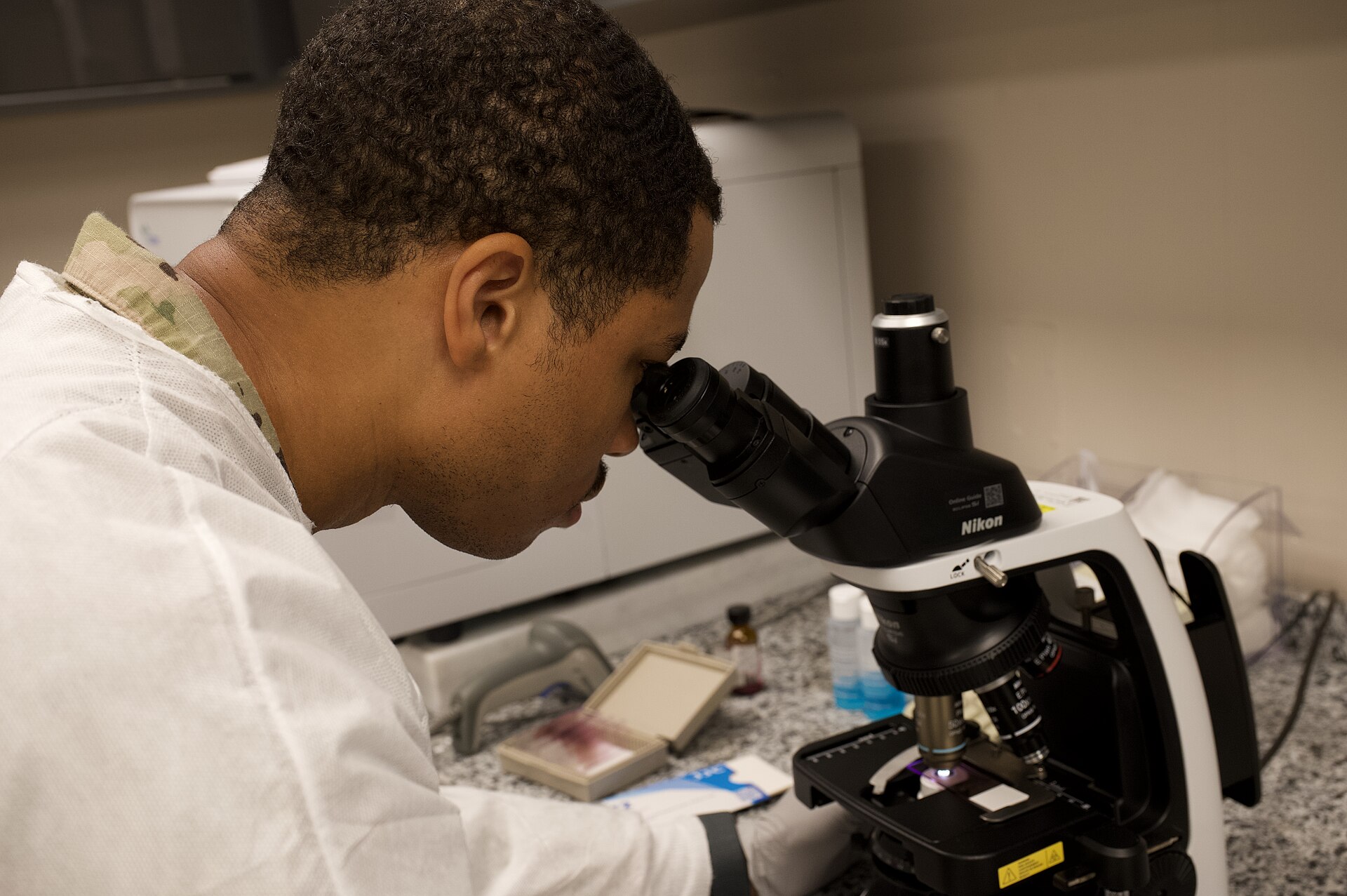
There are two types of strep A tests: Rapid strep test. This test looks for antigens to strep A. These antigens are substances in the Strep A bacteria that trigger your immune system to fight the bacteria.
A rapid strep test can provide results in 10-20 minutes. If a rapid test is negative, but your health care provider thinks you or your child has strep throat, they may order a throat culture.; Throat culture. This test looks for strep A bacteria.
It provides a more accurate diagnosis than a rapid test, but it can take 24-48 hours to get results.;
Why this test is done
Your provider may order a strep A test if you or your child has symptoms of strep throat. These include:
- A sudden and severe sore throat
- Pain or trouble swallowing
- Fever of 101 °F (38 °C) or more
- Swollen lymph nodes
- Red and swollen tonsils
- White patches or streaks of pus on the tonsils
- Tiny, red spots on the roof of the mouth, called petechiae
Some people, especially children, may have other symptoms too. Other symptoms may include:
- Headache
- Stomach pain
- Nausea or vomiting
Your provider may also order a strep A test if you or your child has a rough, red rash that starts on the face and spreads to another part of the body. This type of rash is a sign of scarlet fever, an illness that can happen a few days after you've been infected with strep A. Like strep throat, scarlet fever is easily treated with antibiotics.
If you have symptoms such as a cough or runny nose along with your sore throat, it's more likely that you have a viral infection rather than strep throat.
How to prepare
You don't need any special preparations for a rapid strep test or a throat culture.
Other names for this test
strep throat test, throat culture, group A Streptococcus (GAS) throat culture, rapid strep test, Streptococcus pyogenes
Full library entry
Reference ranges, sample type, and citations for this marker.
Open in the biomarker libraryTrack this marker over time
File the reports behind your results in eMed7 and repeat values build into a trend. Free to start.
Educational content only. This entry describes what a test measures and how published reference ranges are defined. It is not a diagnosis, does not interpret your personal results, and is not a substitute for a qualified doctor.