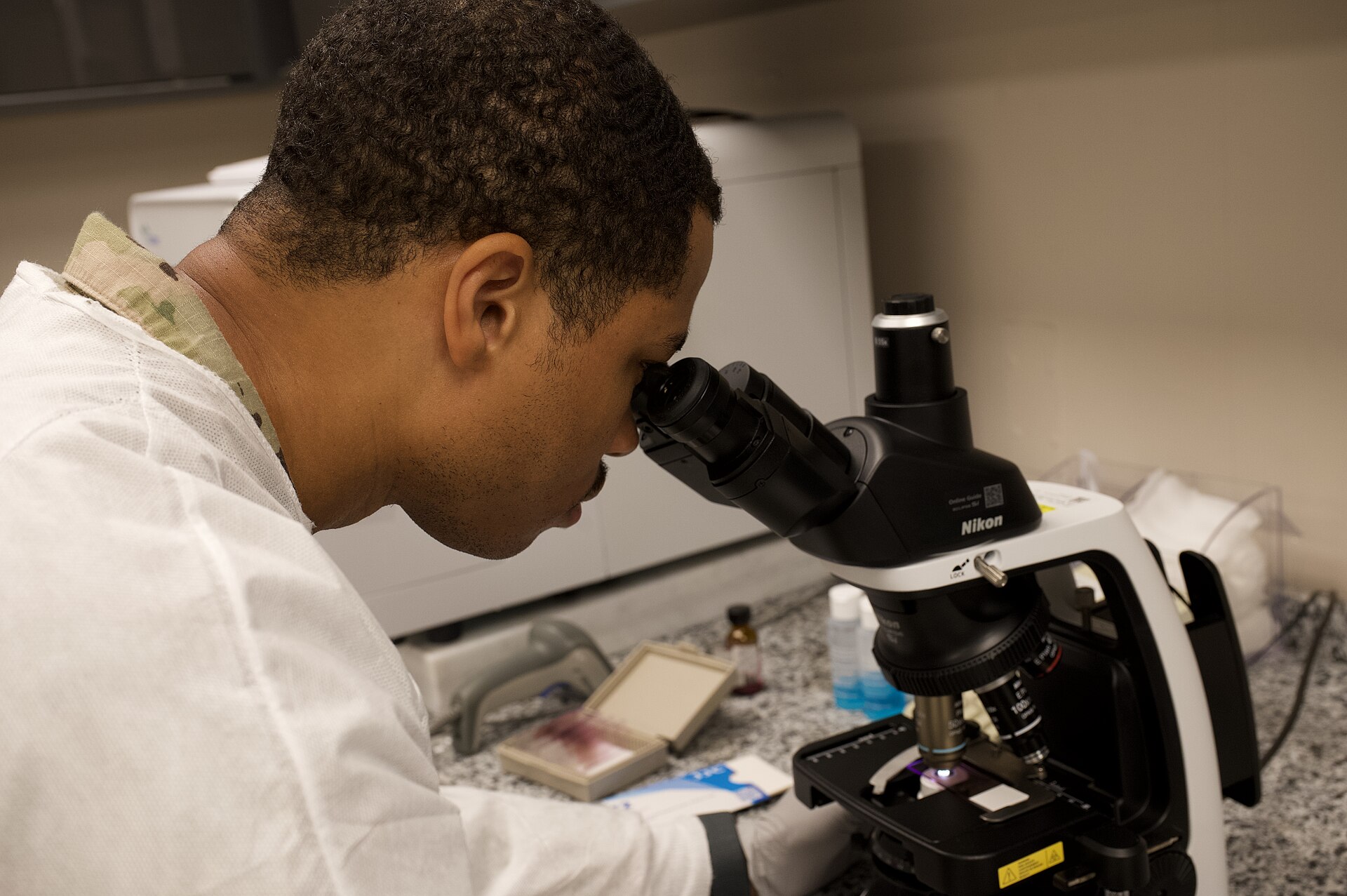
Strep B Test
Sourced reference. This entry is compiled from MedlinePlus and is reproduced for reference rather than written by eMed7. Reference ranges differ between laboratories — always read a result against the range printed on your own report.
Strep B, also known as group B strep (GBS), is a type of bacteria commonly found in the digestive tract, urinary tract, and genital area. Many healthy people have GBS bacteria in their bodies. Most of the time, GBS bacteria are not harmful and do not make people feel sick or have any symptoms.
But in rare cases, these bacteria cause certain infections, known as GBS disease. This is more likely in people who are age 65 and older, have certain chronic health problems, or have a condition that weakens their immune system. And sometimes GBS infections can be very serious, or even life-threatening, in newborns.
In most cases, it is not known how people spread GBS bacteria to others. If you are pregnant, you can pass the bacteria to your baby during a vaginal delivery. GBS is usually found in the vagina and rectum, so. the baby can be exposed to the GBS bacteria during labor.
It is rare, but it can cause serious illness in the baby. There are two types of GBS infections in babies. The types are based on the age of the infant when signs and symptoms begin to show: In early-onset GBS disease, the signs and symptoms start during the first six days of life; In late-onset GBS disease, the signs and symptoms start during between 7 to 89 days of life.
The source of late-onset GBS infection is unknown.; In newborns, GBS can cause: Bacteremia (infection in the bloodstream); Pneumonia (inflammation of the lung); Meningitis (inflammation of the thin tissue that surrounds the brain and spinal cord); Other serious illnesses; GBS bacteria are a leading cause of meningitis and bloodstream infections in a newborn's first three months of life. If you are pregnant, GBS can cause: Bacteremia; Chorioamnionitis (infection of the placenta and amniotic fluid); Endometritis (infection of the membrane lining the uterus); Urinary tract infections; In older adults and people with chronic health conditions, GBS bacteria can cause: Bacteremia; Urinary tract infection; Pneumonia; Bone and joint infections; Endocarditis (infection of the heart valves); Meningitis; Skin or soft-tissue infections; A group B strep test checks for GBS bacteria. If you are pregnant and the test shows that you have GBS, taking antibiotics during labor can protect your baby from infection.
Why this test is done
You may need a strep B test if you are pregnant. The American College of Obstetricians and Gynecologists recommends GBS testing if you are pregnant. Testing is usually done between 36 and 38 weeks of pregnancy.
If you go into labor earlier than 36 weeks, you may be tested at that time.
Symptoms depend on the part of the body that is infected. Symptoms of GBS disease are different in newborns compared to people of other ages who get GBS disease. Most newborns who get sick in the first week of life (early onset) have symptoms on the day of birth.
In contrast, babies who develop disease later (late onset) can appear healthy at birth and during their first week of life.
A baby may need a group B strep test if he or she has symptoms of infection. These include:
- High fever
- Trouble with feeding
- Trouble breathing
- Lack of energy (hard to wake up)
- Irritability
- Blue-ish skin color
- Unstable blood pressure (a pattern where the blood pressure suddenly spikes and then falls back to normal)
- Kidney problems
If you are pregnant, you usually do not feel sick or have any symptoms of GBS.
Symptoms of bacteremia include:
- Fever
- Chills
- Low alertness
Symptoms of pneumonia include:
- Fever
- Chills
- Cough
- Rapid breathing or trouble breathing
- Chest pain
Skin and soft tissue infections often appear as a bump or infected area on the skin that may be:
- Red
- Swollen or painful
- Warm to the touch
- Full of pus or other drainage
- Fever, in some cases
Bone and joint infections often appear as pain in the infected area and might also include:
- Fever
- Chills
- Swelling
- Stiffness or being unable to move the affected joint(s)
How to prepare
You don't any special preparations for group B strep tests.
Sample type
Blood Urine Swab CSF
Other names for this test
group B streptococcus, group B beta-hemolytic streptococcus, Streptococcus agalactiae, beta-hemolytic strep culture
Full library entry
Reference ranges, sample type, and citations for this marker.
Open in the biomarker librarySources
- ncbi.nlm.nih.gov/books/NBK138647— MedlinePlus
Track this marker over time
File the reports behind your results in eMed7 and repeat values build into a trend. Free to start.
Educational content only. This entry describes what a test measures and how published reference ranges are defined. It is not a diagnosis, does not interpret your personal results, and is not a substitute for a qualified doctor.