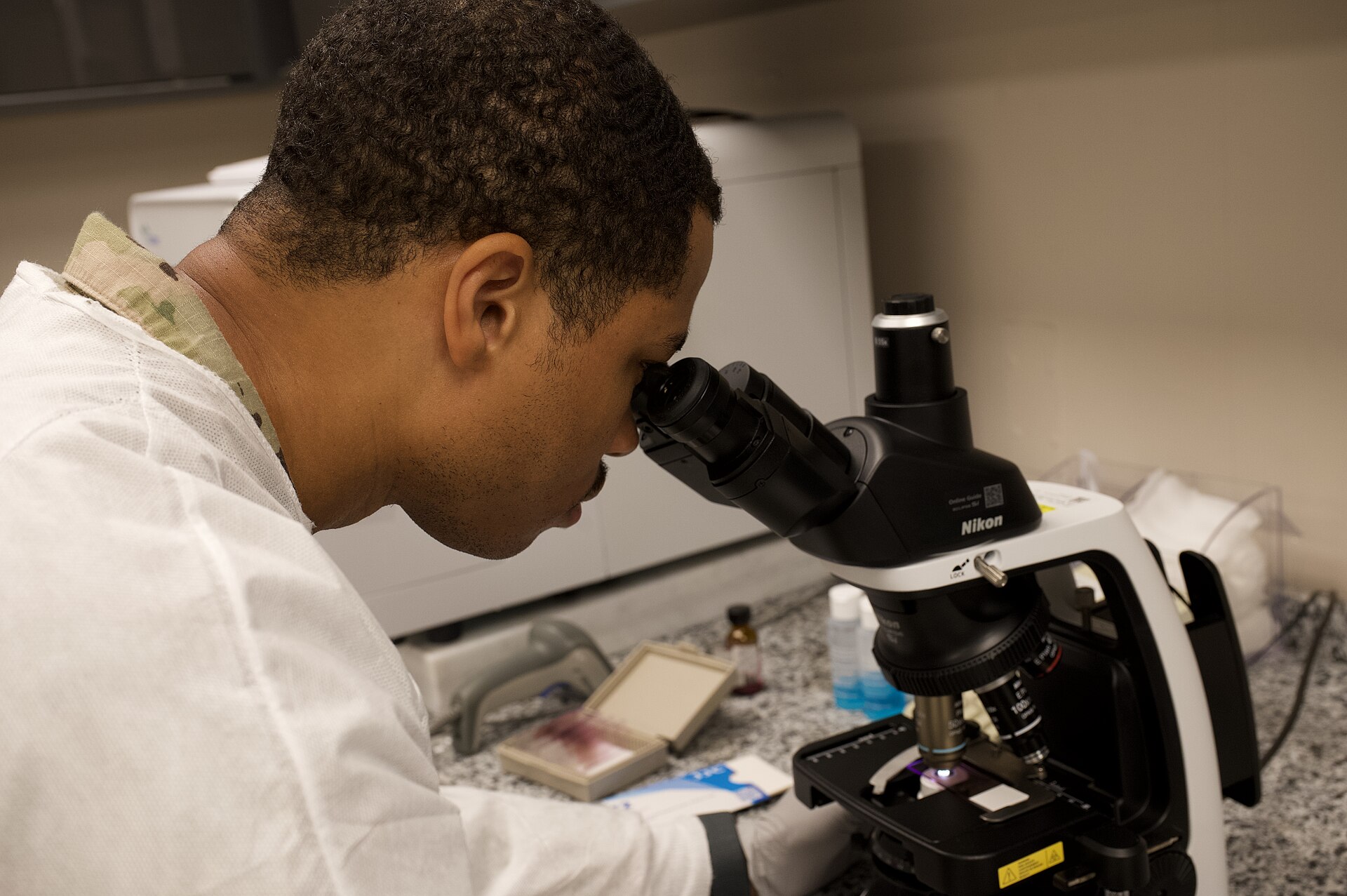
Syphilis Tests
Sourced reference. This entry is compiled from MedlinePlus and is reproduced for reference rather than written by eMed7. Reference ranges differ between laboratories — always read a result against the range printed on your own report.
Syphilis tests generally look for certain antibodies in your blood. Antibodies are proteins that your immune system makes when it finds harmful substances in your body. In this case, the harmful substance is the bacterium that causes syphilis, one of the most common sexually transmitted infections (STIs.) Testing usually involves two steps.
The first is used to screen for antibodies that your immune system makes in response to syphilis, some autoimmune diseases, and other infections. The two most common types of this test are: Rapid plasma reagin (RPR), which is a blood test that looks for an antibody called reagin. Your body often makes reagin in response to a syphilis infection.; Venereal Disease Research Laboratory (VDRL) Test, which can be done on blood or spinal fluid.
This test looks for a broader range of antibodies that your immune system might make in response to a syphilis infection.; The second step in syphilis testing is to confirm the findings of the first step. If the result of your screening test shows you have antibodies linked to syphilis infections, you'll need a second test to confirm whether you have syphilis. Usually, the second test looks for antibodies that your immune system makes only to fight off syphilis.
If you have these antibodies, it means you either currently have a syphilis infection or had a syphilis infection that's been treated. In some cases, a health care provider will use a test that looks for actual syphilis bacteria, instead of antibodies. These tests are less common because they can only be done in specialized labs.
Why this test is done
You should get tested for syphilis if you have symptoms of the infection or if your sexual partner was recently diagnosed with it. Most symptoms usually appear in the second stage. Along with fever and swollen glands, these can include:
- Rough, red rash, usually on the palms of the hands or the bottom of the feet.
- Headache or muscle aches.
- Sore throat.
- Fatigue.
- Weight loss.
- Hair loss in patches.
Your provider may also test you for syphilis if you show any of the more serious signs of the infection's fourth stage. Along with dementia and blindness, these can include:
- Deep bone pain.
- Numbness.
- Dizziness.
- Heart damage.
- Hearing loss.
Even if you don't have symptoms, you should get tested regularly if you have a high risk of getting syphilis. You're more likely to get syphilis if you have:
- Multiple sex partners.
- A partner with multiple sex partners.
- Unprotected sex (sex without using a condom).
- An HIV infection and are sexually active.
- Another sexually transmitted disease, such as gonorrhea.
- Sex with men who have sex with men (MSM).
Ask your provider how often you should get tested.
You will also need a syphilis test if you are pregnant. If you pass it on to your fetus, it could cause serious, and sometimes deadly, health problems. If you are pregnant, the Centers for Disease Control and Prevention recommends that you have a syphilis test at your first prenatal visit.
If you are more likely to become infected with syphilis, you should be tested again at 28 weeks of pregnancy and at delivery.
How to prepare
You don't need any special preparations for a syphilis blood test. For a lumbar puncture, you may be asked to empty your bladder (pee) and bowels (poop) before the test.
Sample type
Blood CSF
Other names for this test
rapid plasma reagin (RPR), Venereal Disease Research Laboratory (VDRL), fluorescent treponemal antibody absorption (FTA-ABS) test, agglutination assay (TP-PA), darkfield microscopy, Treponema pallidum particle agglutination assay (TP-PA), Microhemagglutination assay for antibodies to T
Full library entry
Reference ranges, sample type, and citations for this marker.
Open in the biomarker librarySources
- ncbi.nlm.nih.gov/books/NBK557732— MedlinePlus
- niaid.nih.gov/diseases-conditions/syphilis— MedlinePlus
Track this marker over time
File the reports behind your results in eMed7 and repeat values build into a trend. Free to start.
Educational content only. This entry describes what a test measures and how published reference ranges are defined. It is not a diagnosis, does not interpret your personal results, and is not a substitute for a qualified doctor.