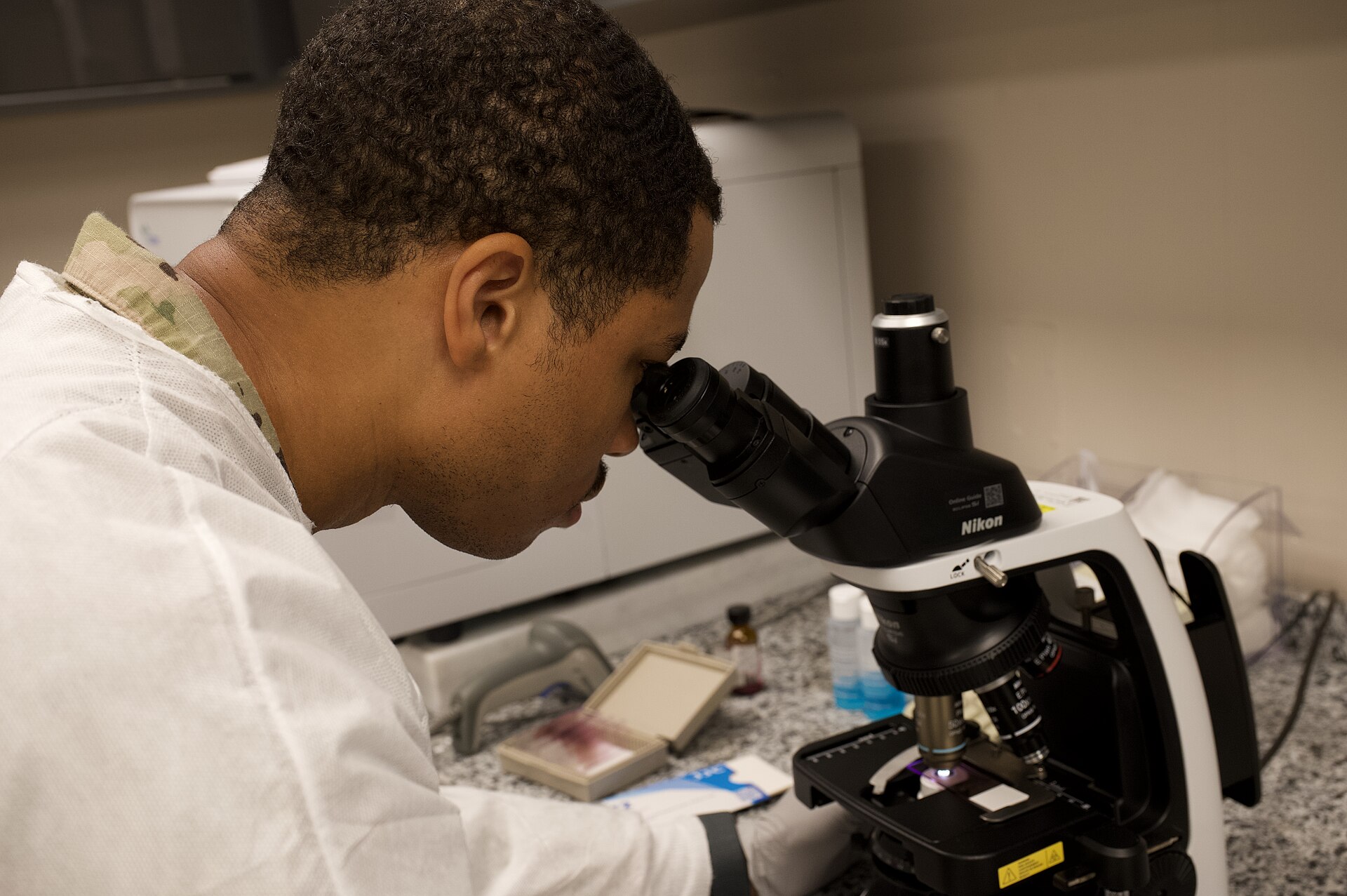
Blood Glucose Test
Sourced reference. This entry is compiled from MedlinePlus and is reproduced for reference rather than written by eMed7. Reference ranges differ between laboratories — always read a result against the range printed on your own report.
A blood glucose test measures the glucose levels in your blood. Glucose is a type of sugar. It is your body's main source of energy.
It comes from the food you eat. A hormone called insulin helps move glucose from your bloodstream into your cells for use as energy. If you have too much or too little glucose in your blood, it may be a sign of a serious medical condition.
High blood glucose levels (hyperglycemia) may be a sign of prediabetes or diabetes. Prediabetes is a condition in which your blood glucose levels are higher than what is healthy for you, but not high enough to be considered diabetes. If you have diabetes, your body can't make insulin or can't use it as well as it should, or both.
Too much glucose stays in your blood and doesn't reach your cells. This can cause glucose levels to get too high. If blood glucose isn't controlled, it can lead to serious, long-term health conditions, such as heart disease and nerve problems.
High blood glucose may also be caused by other conditions that can affect insulin or glucose levels in your blood, such as problems with your pancreas or adrenal glands, and side effects from certain medicines. Low blood glucose levels (hypoglycemia) is often caused by certain diabetes medicines for type 1 diabetes or type 2 diabetes, including insulin. In people without diabetes, low blood glucose is much less common.
It may be caused by certain medicines and conditions, such as some kidney or liver diseases. Without treatment, severe low blood glucose can lead to major health problems, including seizures and brain damage. Several types of blood tests check blood glucose levels.
Your health care provider will choose the test that's right for you.
Why this test is done
Your provider may order a blood glucose test as part of your routine checkup. Routine blood tests that include a glucose test include a basic metabolic panel (BMP) and a comprehensive metabolic panel (CMP).
The most common reasons for a blood glucose test are to screen for and monitor prediabetes and diabetes. Your provider may order a blood glucose test if:
- You have a high risk for developing type 2 diabetes. Your risk may be high if you:
- Are over 35 years old. The American Diabetes Association recommends diabetes screening for prediabetes and diabetes beginning at age 35 years and older.
- Have prediabetes.
- Are overweight or have obesity.
- Have a family history of diabetes.
- Have high blood pressure or heart disease.
- Have ever had gestational diabetes (diabetes that develops during pregnancy) or given birth to a baby who weighed over 9 pounds.
- Exercise less than three times a week.
- Have non-alcoholic fatty liver disease (NAFLD).
- Are an African American, Hispanic or Latino, American Indian, or an Alaska Native.
Some Pacific Islander people and Asian American people also have a higher risk for developing type 2 diabetes.
- You have symptoms of high or low glucose levels, which could mean you have diabetes or another condition that affects blood glucose levels.
Symptoms of high blood glucose levels include:
- Increased thirst
- Frequent urination (peeing)
- Blurred vision
- Fatigue
- Sores that are slow to heal
- Losing weight without trying
- Numbness or tingling in your feet or hands
Symptoms of low blood glucose levels include:
- Feeling shaky or jittery
- Hunger
- Fatigue
- Feeling dizzy, confused, or irritable
- Headache
- A fast heartbeat or arrhythmia (a problem with the rate or rhythm of your heartbeat)
- Having trouble seeing or speaking clearly
- Fainting or seizures
- You have prediabetes or diabetes. Your provider may schedule blood glucose tests to monitor your condition. You may also monitor your blood glucose at home.
- You are pregnant. You will likely have a blood glucose test between the 24th and 28th week of your pregnancy to check for gestational diabetes. If you have a high risk for gestational diabetes, your provider may test you earlier.
- You take long-term medicines, other than diabetes medicines, that may affect blood glucose levels. Examples of medicines that may cause high blood glucose in some people include certain types of:
- Steroids
- Antipsychotics
- Beta-blockers
- Statins
Examples of medicines that may cause low blood glucose in some people include certain types of:
- ACE inhibitors
- Antibiotics called quinolones
- Medicines to treat malaria You may need testing to monitor your blood glucose level or if you have symptoms of diabetes, such as:
- Increased thirst
- Frequent urination
- Increased hunger
- Fatigue
- Blurred vision
- Unexplained weight loss
- Sores that are slow to heal
- Numbness or tingling in your feet
Symptoms of type 1 diabetes usually come on quickly and can be severe. Symptoms of type 2 diabetes and prediabetes often develop slowly, even over years.
Gestational diabetes doesn't usually cause symptoms in the early stages of your pregnancy, but you will most likely be screened for the condition between 24 and 28 weeks of pregnancy. If testing shows your glucose levels are too high, you will be tested again to confirm the diagnosis.
You may also need testing if you have certain risk factors for type 2 diabetes. You may be at higher risk for developing it if you:
- Are over 35 years old. The American Diabetes Association recommends diabetes screening for prediabetes and diabetes beginning at age 35 years and older.
- Have prediabetes.
- Are overweight or have obesity.
- Have a family history of diabetes.
- Have high blood pressure or heart disease.
- Previously had gestational diabetes.
- Exercise less than three times a week.
- Have non-alcoholic fatty liver disease (NAFLD).
- Are an African American, Hispanic or Latino, American Indian, or an Alaska Native.
How to prepare
If your provider orders a fasting blood glucose test or an oral glucose tolerance test, you will need to fast for at least eight hours before the test. If your glucose test is part of a BMP or CMP test, you may need to fast. Other blood glucose tests don't require any special preparations.
Ask your provider whether you need to fast before your glucose test. You will need to fast (not eat or drink) for a blood glucose and an oral glucose tolerance test.
You don't need any special preparations for a random blood sugar test, glucose challenge test, hemoglobin A1c test, or glucose in urine test.
Sample type
Blood Urine
Other names for this test
blood sugar, self-monitoring of blood glucose (SMBG), fasting plasma glucose (FPG), fasting blood sugar (FBS), fasting blood glucose (FBG), random blood sugar, glucose challenge test, oral glucose tolerance test (OGTT), blood glucose, fasting plasma glucose, FPG, oral glucose tolerance test, OGTT, glucose screening test, glucose in urine test, hemoglobin A1c
Full library entry
Reference ranges, sample type, and citations for this marker.
Open in the biomarker librarySources
- pmc.ncbi.nlm.nih.gov/articles/PMC11330434— MedlinePlus
- pmc.ncbi.nlm.nih.gov/articles/PMC6954773— MedlinePlus
- pubmed.ncbi.nlm.nih.gov/26261382— MedlinePlus
- pubmed.ncbi.nlm.nih.gov/37985310— MedlinePlus
- ncbi.nlm.nih.gov/books/NBK355894— MedlinePlus
- ncbi.nlm.nih.gov/books/NBK430900— MedlinePlus
- ncbi.nlm.nih.gov/books/NBK534841— MedlinePlus
- ncbi.nlm.nih.gov/books/NBK555976— MedlinePlus
Track this marker over time
File the reports behind your results in eMed7 and repeat values build into a trend. Free to start.
Educational content only. This entry describes what a test measures and how published reference ranges are defined. It is not a diagnosis, does not interpret your personal results, and is not a substitute for a qualified doctor.